What is happening to Dartmoor Ponies
In June the headlines said 90% of Dartmoor's ponies would be culled. Nobody recommended it, the Government changed the rule behind the fear, and the question that's left is what happens to the foals every autumn.
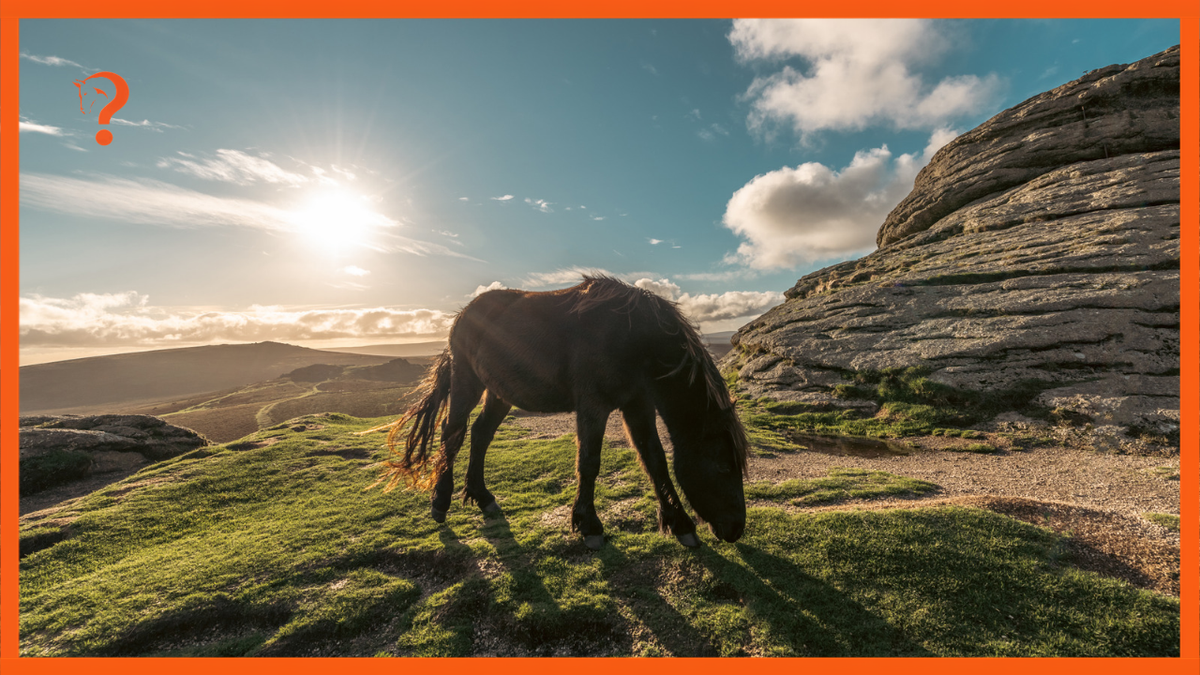
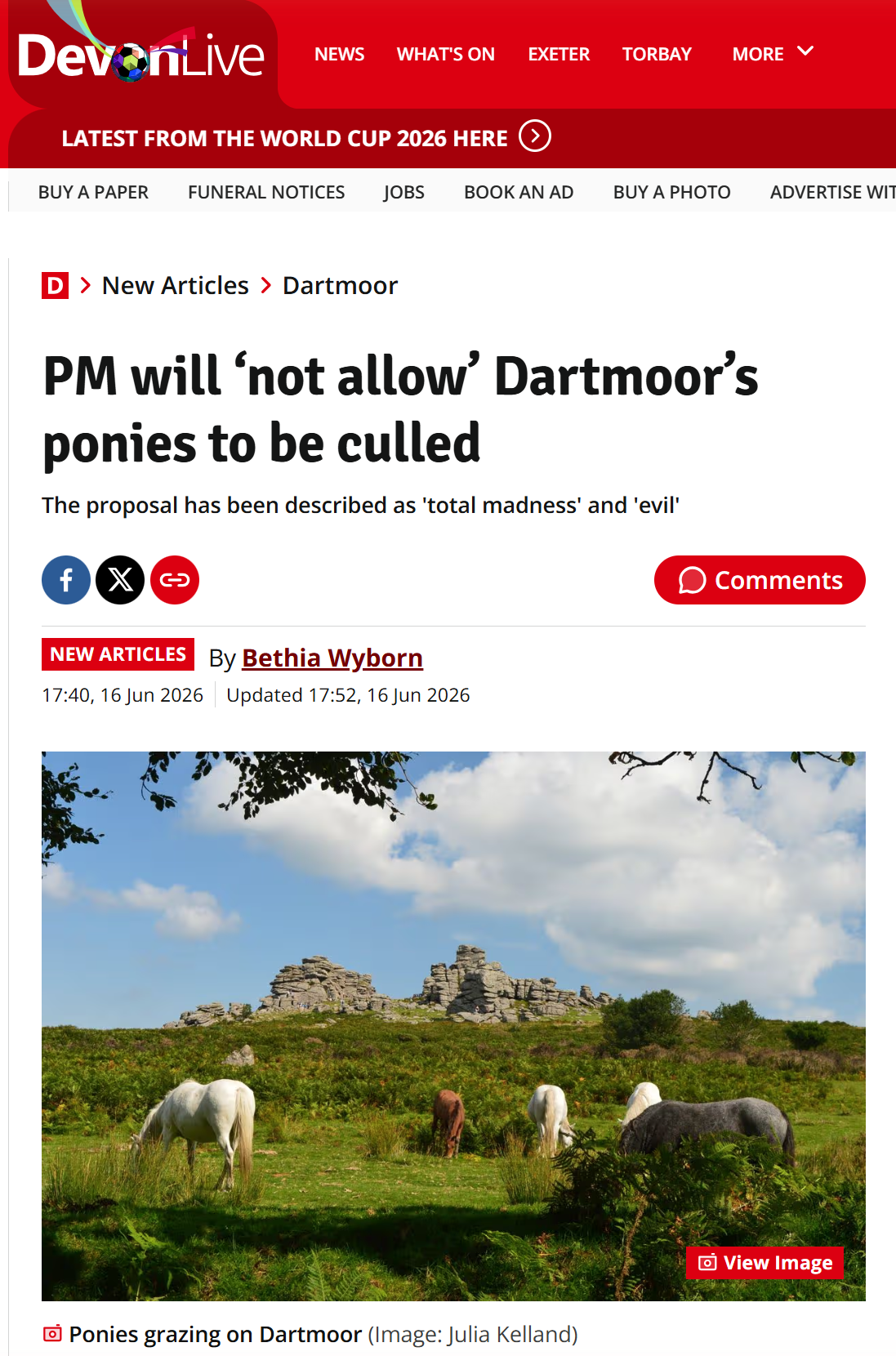
The headlines in June said Natural England wanted 90% of Dartmoor's ponies culled. Some said it could start "as soon as this autumn".
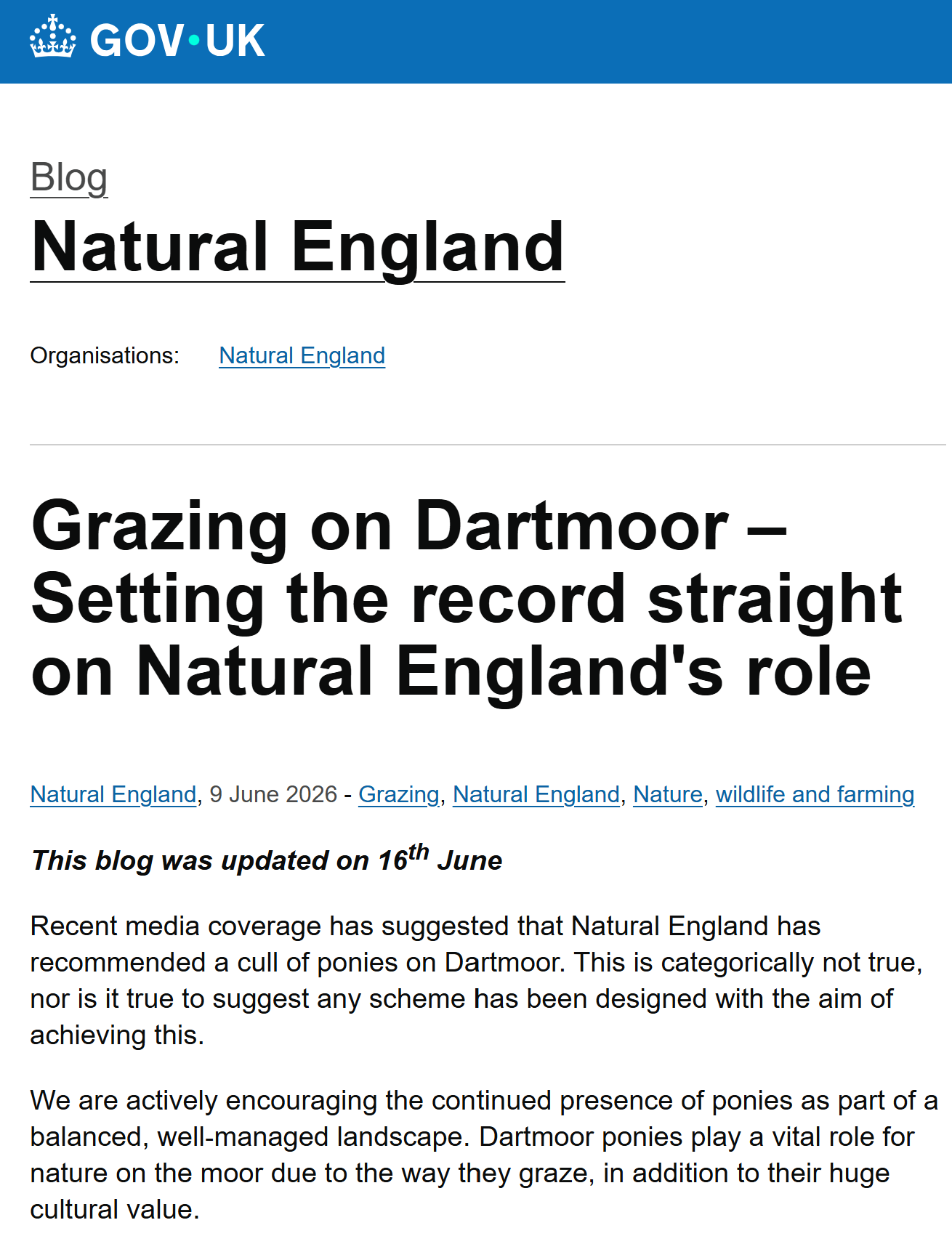
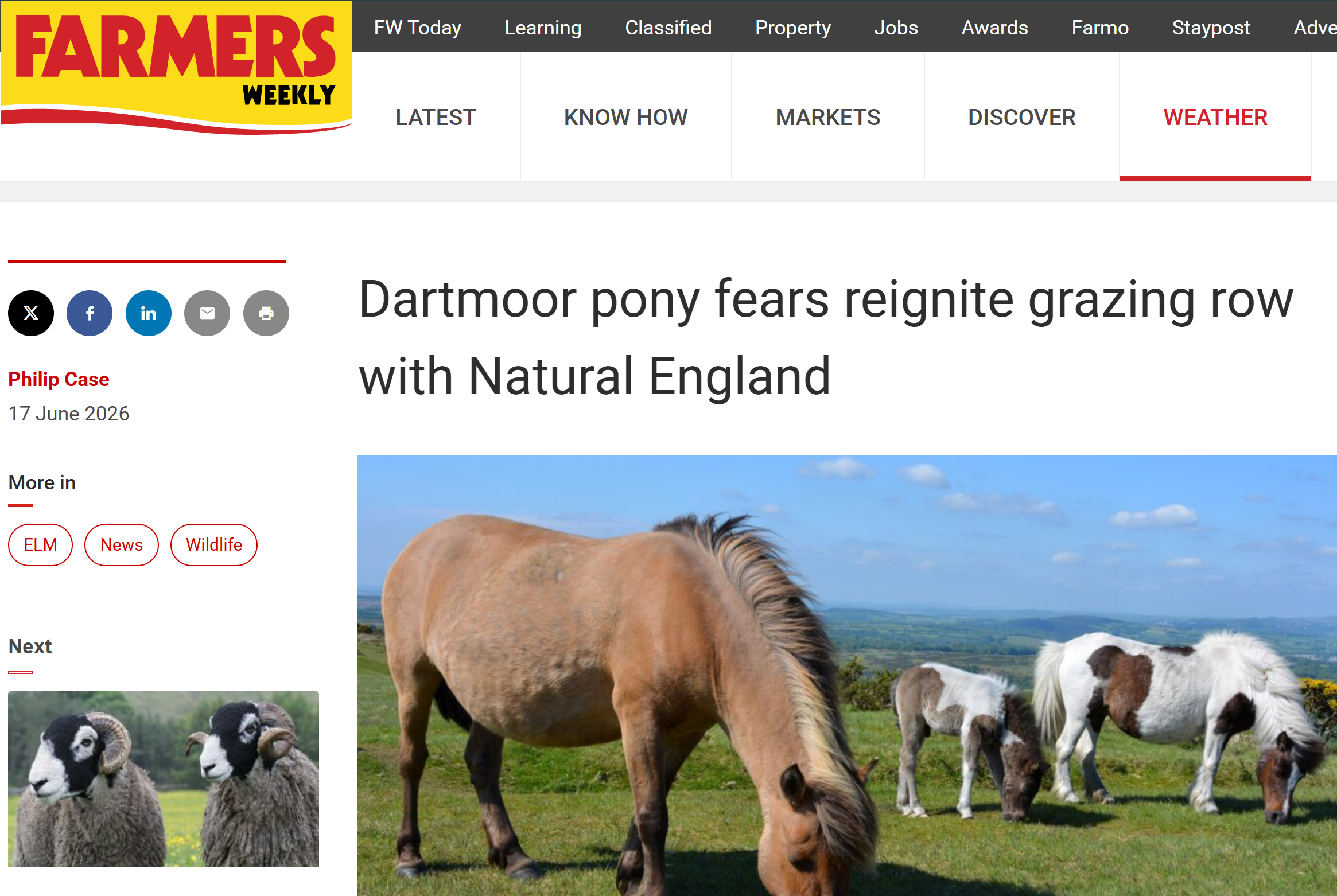
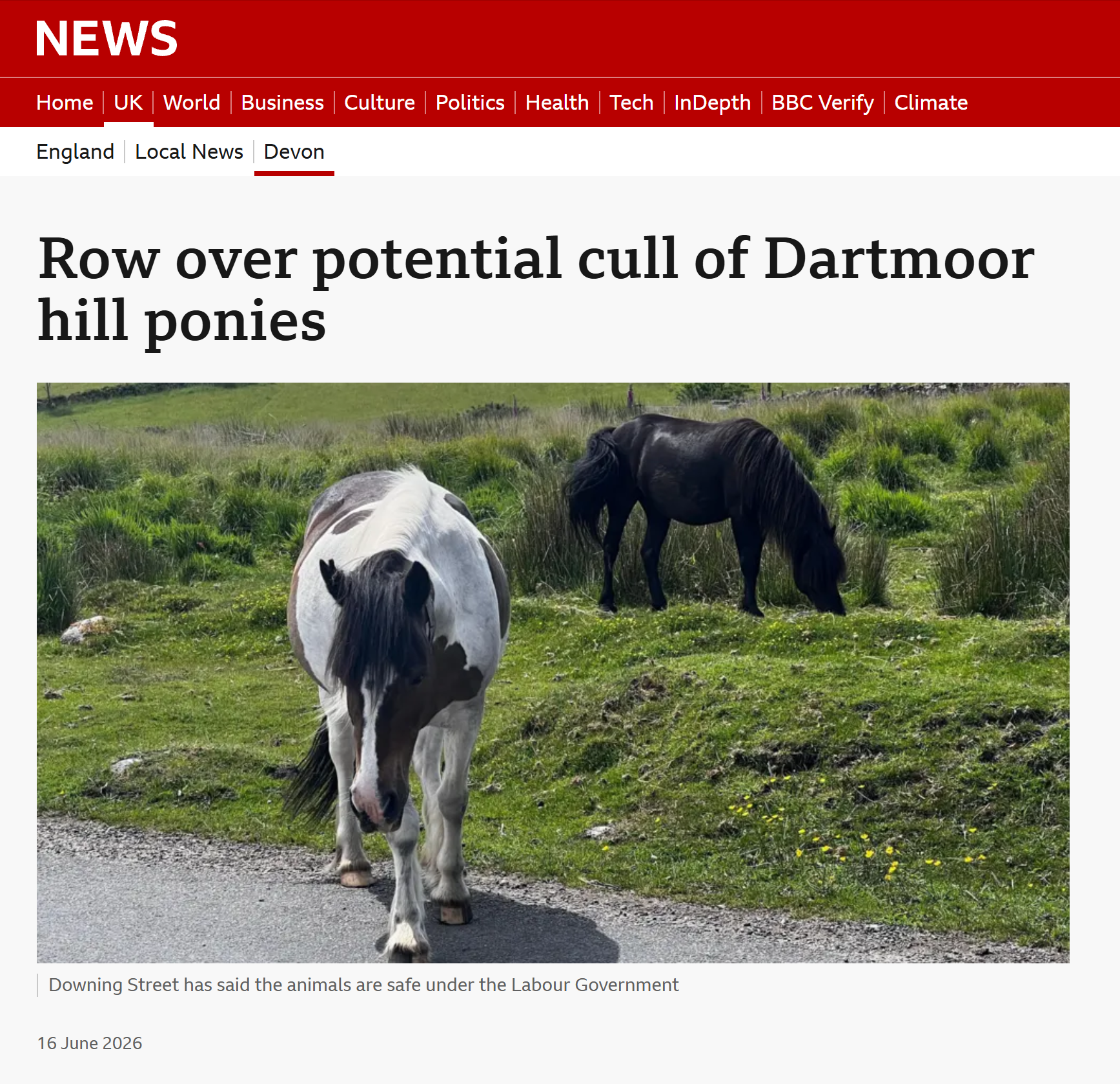
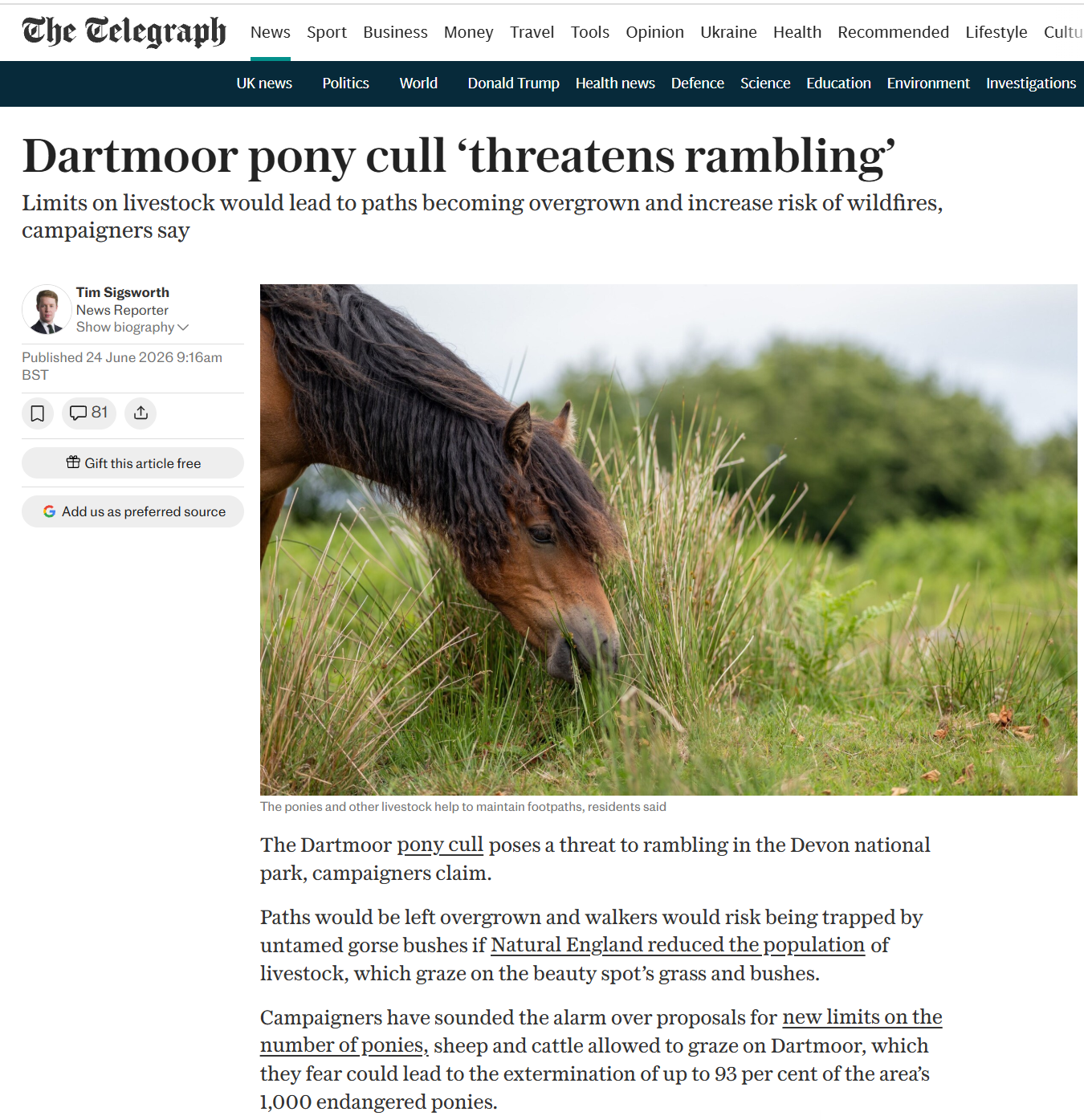
It's autumn now. So what happened?
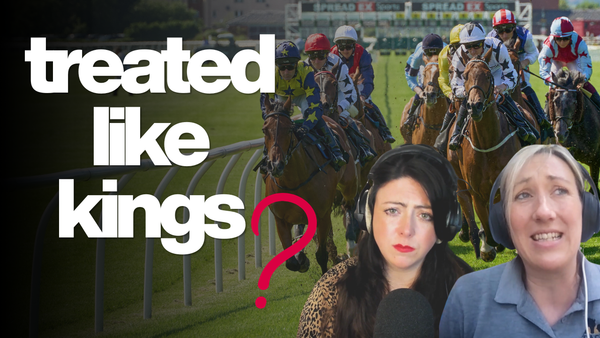
Anna sat down with Angelique, a former personal finance and consumer journalist who now writes about sustainability in the horse world, while the story was at its loudest. Then the moment passed, and I nearly shelved the episode. When I listened back this month, knowing how it ended, I found it more interesting, not less. Almost everyone in June was partly right. And the question Anna asked near the end, the one nobody had time for then, is the one that matters this month.
The short answer
No. Nobody recommended a cull, and in July the Government changed the rule that campaigners feared would lead to one.
Ponies no longer count towards the grazing limits in the new farming agreements on Dartmoor. Farmers will get a separate payment for keeping them. Pony numbers will be monitored and held between 900 and 1,500.
Here's what I hadn't realised when this debate began- there are fewer than 1,000 hill ponies on the moor now. About 25 years ago there were around 6,000.
What was actually happening
Dartmoor is a protected site, and Natural England rates more than 90% of it as being in unfavourable condition. Grazing levels in some areas are higher than the habitat can take, it says. Farmers who graze the commons can be paid to farm for nature through the Government's environmental land management schemes, which replaced the old EU subsidies. To get paid, they have to keep their stock below an agreed level.
Ponies were counted in that level, alongside sheep and cattle. Lord Roborough told the House of Lords on 18 June that the new agreements asked for a 50% reduction on top of an earlier 50% cut, so roughly 75% in all. A pony earns a farmer far less than a ewe or a cow. If you have to lose animals to stay in the scheme, you lose the ponies first. The Dartmoor Hill Pony Association worked out that could mean losing between two-thirds and nine-tenths of them.
That's where "cull" came from. It wasn't a policy anyone had written but the the arithmetic led.
Natural England's reply on 9 June was blunt. "Natural England has not recommended a cull of Dartmoor ponies. We do not have the power to order a cull, and we have not advised one." Anna read part of it out during the recording. It was true. It just didn't answer the arithmetic.
What surprised me most is that the fix had already been written down. In 2023 an independent review for the Government, the Fursdon Review, said "ponies and cattle should not be linked for the calculation of stocking rates". It took three years, and more than 220,000 people backing the Dartmoor Hill Pony Association's campaign, for that to happen. On 15 July, it did.
What the episode got right, and what's changed
Angelique's journalist instinct holds up. She went looking for someone actually saying "cull" and couldn't find them. "I couldn't find any evidence of anybody saying that they were going to kill ponies," she told Anna. She was right about the words. The campaigners were right about the numbers. Both things were true at once, and that's why the row was so loud.
Where the story has moved on is the assumption underneath most of the conversation, that some ponies would have to come off the moor and the only question was where they would go. That didn't happen. With ponies out of the stocking numbers, the pressure to remove them has gone, for now. Angelique's suggestion of breeding fewer ponies also reads differently once you know how far numbers have already fallen.
Whether ponies were ever the problem is still argued. Some campaigners point to sheep. The Tenant Farmers Association says parts of Dartmoor are actually under-grazed, and wants stocking rates set common by common, not with one broad brush. In March the High Court ordered the Dartmoor Commoners' Council, the body that regulates grazing on the commons, to carry out a proper assessment of how many animals the commons are carrying and what they can sustain. Nobody has the full picture yet. When that assessment is published, it's the thing to read.
What hasn't dated at all is the welfare thinking. Anna and Angelique worked through every "just rehome them" answer people were giving in June: riding schools, farmers' fields, sanctuaries, family homes, throwing out hay. Each one runs into the same problem. These ponies have lived as a herd, with little handling, covering miles a day.
The question nobody had time for in June
Near the end, Anna asked something she promised to come back to. "What happens to the wild herd foals every year? Where do they go?".
Here's what I've found. The ponies aren't truly wild. Every one of them belongs to a farmer. Each autumn the herds are gathered off the commons in a drift and brought into a pound, and owners take their own ponies home. That spring's foals are weaned. Some are branded and go back onto the moor as breeding stock. Some are kept for riding or driving. Others are sold at the local markets in Tavistock and Chagford. That's from the Dartmoor Commoners' Council's own description.
October is drift season. As this episode goes out, foals are being weaned and sold.
There are more foals than homes. The Friends of the Dartmoor Hill Pony say there is a surplus every year, and that part of their work is finding ways to reduce it. They rehome some foals themselves, including abroad. The Mare and Foal Sanctuary monitors the Chagford sale alongside the National Equine Welfare Council. They say standards have improved over the past decade, but people still struggle with handling, particularly inexperienced buyers taking on young, semi-feral ponies.
That loops straight back to the episode. The welfare risk Anna and Angelique talked about in June, a moorland pony going to someone who isn't ready for one, didn't disappear when the cull story did. It happens on a smaller scale every autumn.
I haven't found reliable figures for how many foals are sold each year, what they fetch, or what happens to the ones that don't sell. If you know where that data lives, reply and tell me. It's the next thing we'll chase.
Anna's conversation with Angelique Ruzicka, recorded in June 2026. Angelique writes about sustainability in the horse world at Willow's Earth, where you can read her June piece, Saving Dartmoor ponies sounds easy until you try and do it.
 Theresa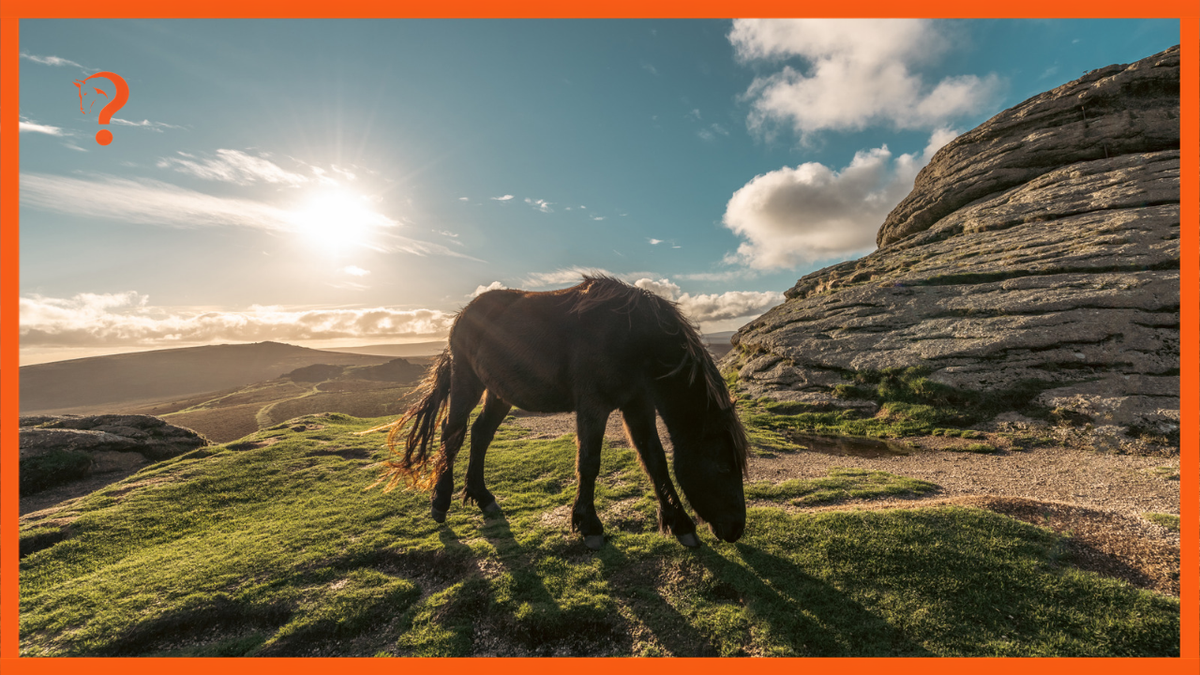
Sources:
- Natural England, 9 June 2026: https://naturalengland.blog.gov.uk/2026/06/09/dartmoor-ponies-clarification-of-natural-englands-role-and-position/
- Hansard, House of Lords, 18 June 2026: https://hansard.parliament.uk/Lords/2026-06-18/debates/01B26184-CCA2-4E41-8380-70A287E0404B/LivestockGrazingOnDartmoorNationalPark
- Countryside Alliance on the Fursdon Review recommendation: https://www.countryside-alliance.org/news-content-type/dartmoor-ponies-whats-really-happening
- GOV.UK, 15 July 2026: https://www.gov.uk/government/news/government-secures-the-future-of-dartmoors-iconic-ponies
- ITV West Country, 16 July 2026 (6,000 to fewer than 1,000): https://www.itv.com/news/westcountry/2026-07-16/dartmoor-ponies-will-be-protected-at-current-levels-government-says
- Horse & Hound, 16 July 2026: https://www.horseandhound.co.uk/equine/a-victory-for-the-ponies-and-the-moor-itself-joy-as-your-voices-are-heard-and-dartmoor-ponies-future-secured
- Tenant Farmers Association: https://tfa.org.uk/tfa-news/tfa-blog-dartmoorpony_defrajune26/
- High Court ruling, Wild Justice v Dartmoor Commoners' Council: https://www.judiciary.uk/judgments/wild-justice-v-dartmoor-commoners-council/
- Dartmoor Commoners' Council on drifts: https://www.dartmoorcommonerscouncil.org.uk/menu_page.php?id=57
- Friends of the Dartmoor Hill Pony: https://wildtowonderful.org/
- Mare and Foal Sanctuary on drift sales: https://mareandfoal.org/news/putting-pony-welfare-first-at-drifts-and-markets/
- Rare Breeds Survival Trust, Dartmoor hill pony: https://www.rbst.org.uk/watchlist-breed/dartmoor-hill-pony/
This article may be reproduced free of charge in any club, society or yard newsletter, with the credit "Curious Equestrian, curiousequestrian.co.uk".