Treated like kings, when all they want is to be horses
The deaths, she says, are the easiest thing to see and, oddly, among the easier things to fix; fewer runners, lower fences, a better start. What is harder, and far more common, is the ordinary life of a racehorse when no camera is pointed at it.
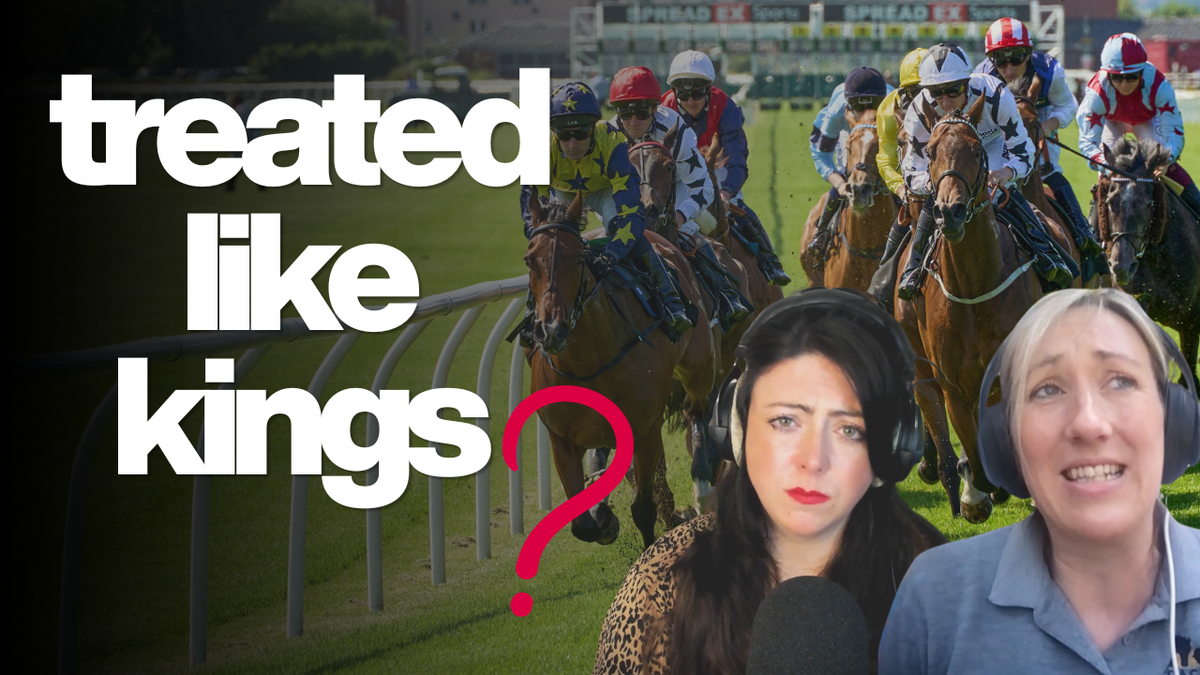
I don't watch the Grand National. I don't follow racing at all, if I'm honest. But you don't have to follow a sport to catch its headlines, and this year's were hard to miss: four horses dead at Cheltenham, two more at the Grand National. Like most people, I put the horror where it is easiest to put it, on the track, in those few televised minutes of risk.
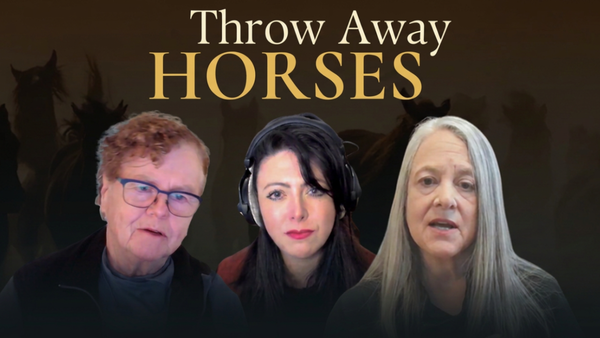
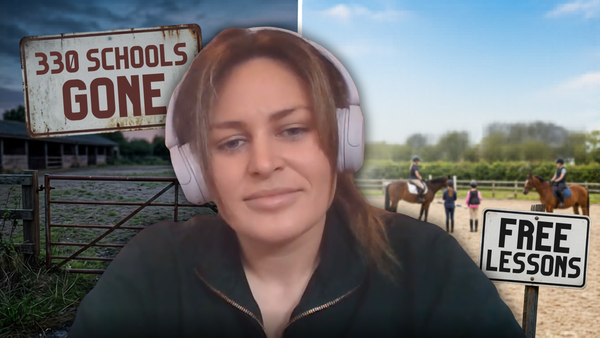
Then I spent a fortnight inside Anna's conversation with Alex Fleming, listening back the way a producer does, more times than I can count, and Alex moved the horror somewhere I wasn't expecting. Not onto the fences. Onto the non race day care and training.
The deaths, she says, are the easiest thing to see and, oddly, among the easier things to fix; fewer runners, lower fences, a better start. What is harder, and far more common, is the ordinary life of a racehorse when no camera is pointed at it. Stabled almost around the clock. Turned out rarely, if at all, and usually alone. She has rehomed an ex-racehorse who did not see a field between the ages of two and six, and she is at pains to say he was not the exception. (we should note that there are racing yards who are addressing these issues).
None of this is said with a pointing finger. She loved the industry, still does in some ways, and is clear that most people in it love their horses too. Both things are true at once, which is the uncomfortable bit. The problem isn't a shortage of feeling; it is a tradition so settled that the people inside it have stopped seeing it.
What does this mean for those of us who will never sit on a thoroughbred at the top of the gallops? It means the racing yard is only an extreme version of choices the rest of us make. Turnout, forage, company. Alex's most hopeful point is that the better way is not a sacrifice. The yards giving horses more, she says, are not doing worse; some, like Lucinda Russell's, are doing very well. Sounder horses, happier horses, horses that run better. The argument for welfare turns out to be an argument for the sport too, if anyone funding it is willing to listen.
And that willingness is the whole thing. These are animals that want to please, that genuinely seem to love to run. Which sounds like a comfort until you turn it over. The willingness is the part that gets exploited. The horse keeps going long after a person would have stopped.
They don't want to be treated like kings. They want to be treated like horses.
----------------------------------------------------
AFTER HOURS
The recording light went off, the cameras came down, and Anna reached for the questions you'd sent in.
Rod asked about how young they start, and Alex drew the line carefully: education at two she can live with, a jockey on a two-year-old's back she can't. Jane asked about forage, and the answer was blunt; ad lib hay was something she simply never saw, and it sits underneath so much of the ulcer problem. Whitney asked about tack, and Alex turned it around, the bit is rarely the problem, the hands and the training underneath it are.