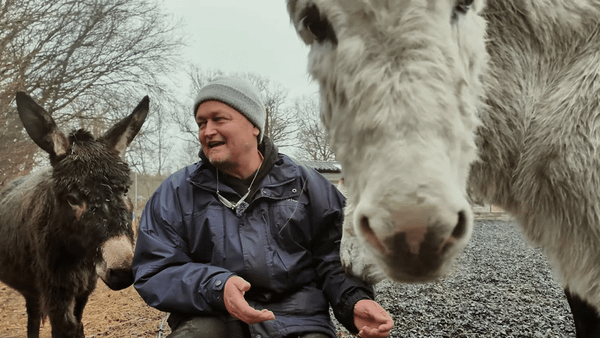
13 owners and not one came forward
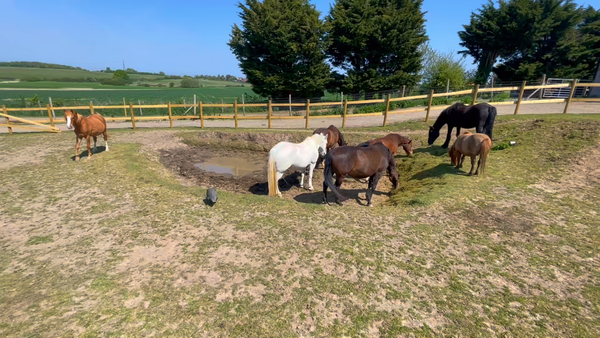
One arrived with a microchip logging 13 registered owners. Billy contacted every single one. Not one was interested.
Episodes
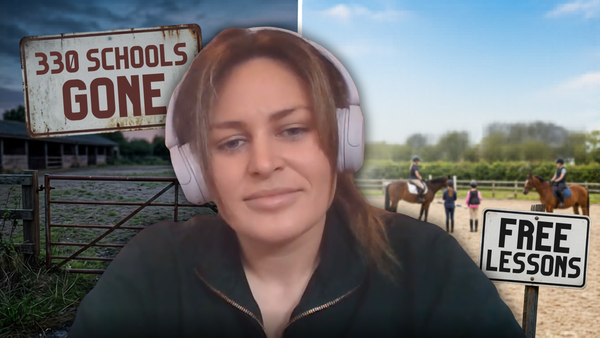
What Chloe has built is not a charity. It is a third economic model. The content funds the sessions; the sessions generate more content; the community grows and the riding school fills with paying clients who found her through the algorithm.
Episodes
The hay in your horse's net tonight may have crossed three borders. Someone lost sleep making sure it got here.
Communication in this tradition is less about training methods that produce compliance and more about building the kind of trust and mutual understanding where the horse can actually choose to participate.
horse health
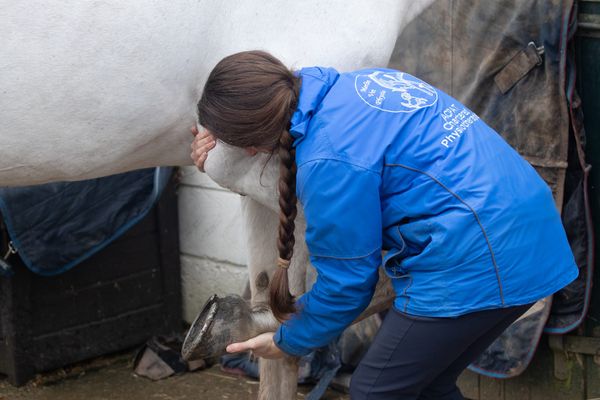
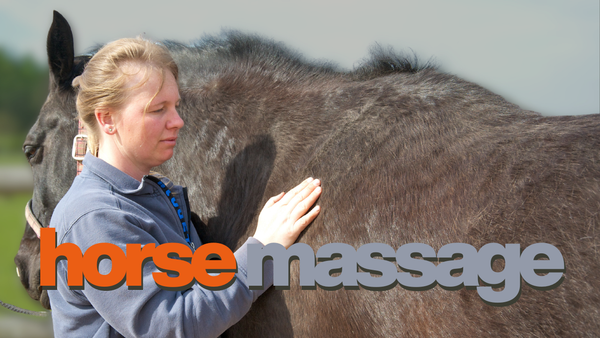
The conversation covers horse massage as a practical tool for owners, not just professionals. Three checks you can do every week (grooming reactions, carrot stretches in both directions, a tight circle on both reins) that build up a picture of what's normal, so you notice when something changes.
after hours
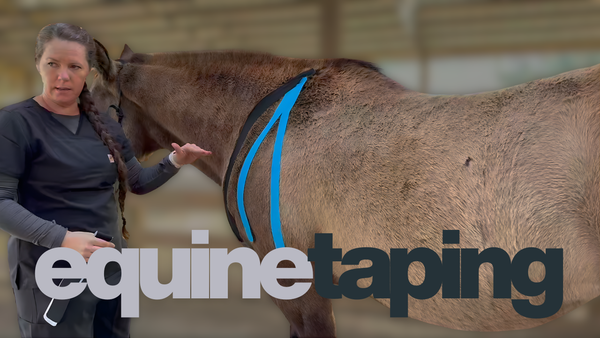
The Woman Rewriting Equine Rehabilitation 30 Years, 26 Countries, & Rolls of Tape.
horse behaviour
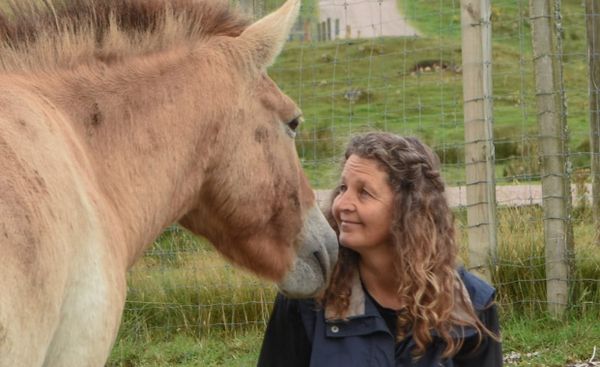
When Bonny Mealand first started working with wild horses, everything she thought she knew fell apart. Anna Louise asked how that felt. Bonny paused. "It was devastating, actually." She'd grown up like most of us, believing horses existed for our purposes. To ride, to compete, to
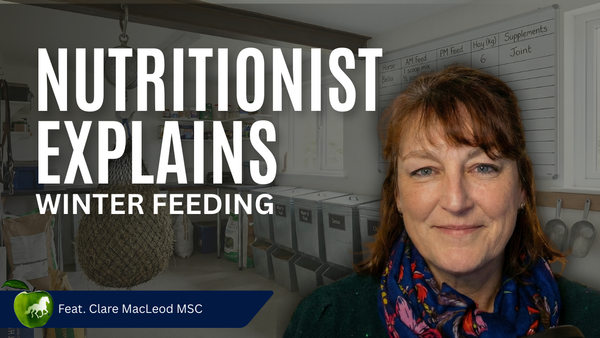
But Claire’s advice was practical. She calls it the "Overlap Strategy." It means keeping just three or four bales of the old batch back, specifically to mix in when the new load arrives. It is a tiny logistical change that protects the gastric health we spend a fortune trying to fix.
I've always known track systems were about movement and forage and hoof health. I hadn't properly understood they were about giving horses back their choices.
"The more you do it, the more you discover that you can develop this beautiful two-way communication with the horse." - Sandra Poppema on the evolving nature of positive reinforcement training
for riders who want to understand more, not just do more.
But Claire’s advice was practical. She calls it the "Overlap Strategy." It means keeping just three or four bales of the old batch back, specifically to mix in when the new load arrives. It is a tiny logistical change that protects the gastric health we spend a fortune trying to fix.
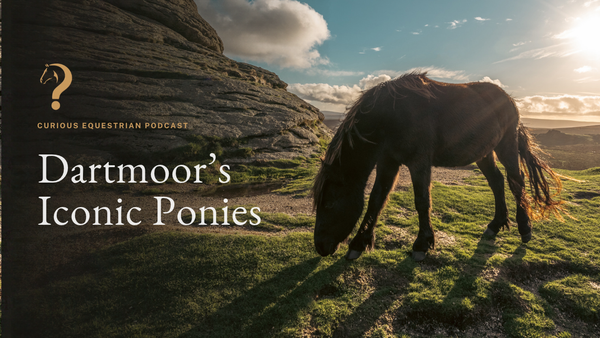
The rare breed ponies Britain is losing — and what disappears with them
There is more than one way up a mountain with horses, and doggedly sticking to one method is not always in your horse's best interests. Doing what works for your horse in a given moment of its life can help create an unbreakable bond
I've always known track systems were about movement and forage and hoof health. I hadn't properly understood they were about giving horses back their choices.
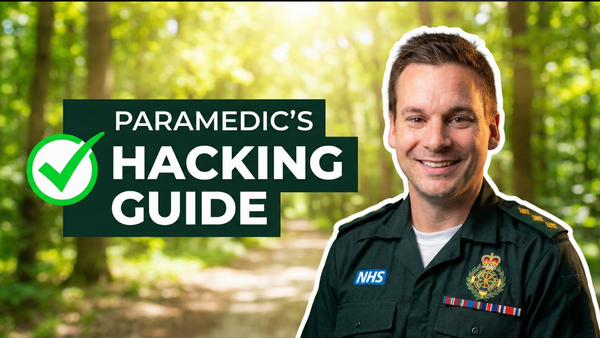
This week’s episode is perhaps one of the most important safety conversations we’ve ever had on the podcast. Anna Louise is joined by Mike Elkins from the South Central Ambulance Service to discuss the reality of horse riding accidents and, crucially, how to prepare for them. Mike is
This covers the practical and emotional realities of horse loss, including euthanasia. Challenging content, but essential preparation.
interview with Johnny Browne, Professional Horseman & Former Royal Armouries Rider Interpreter
Why the art of horsemanship is reclaiming its soul—and what it means for every rider
Why traditional cooling methods fail when temperatures soar and what actually works when every minute counts.
Harmonious Horsemanship Review: The 24-Point Scientific Checklist That's Changing Everything
Why "quiet, obedient" horses might actually be shut down and struggling
Perhaps the most radical idea in this episode is that horses should have agency in their interactions with humans. Dr Keeson's research methodology demonstrates that when horses are given genuine choices about participation, they often choose to engage – but on their terms.