Breathing all wrong, and the other habits horses forgive
Ciara Glaisher treats horses and their riders as one system. This week: the breathing habit most of us picked up at school, and what it does in the saddle.

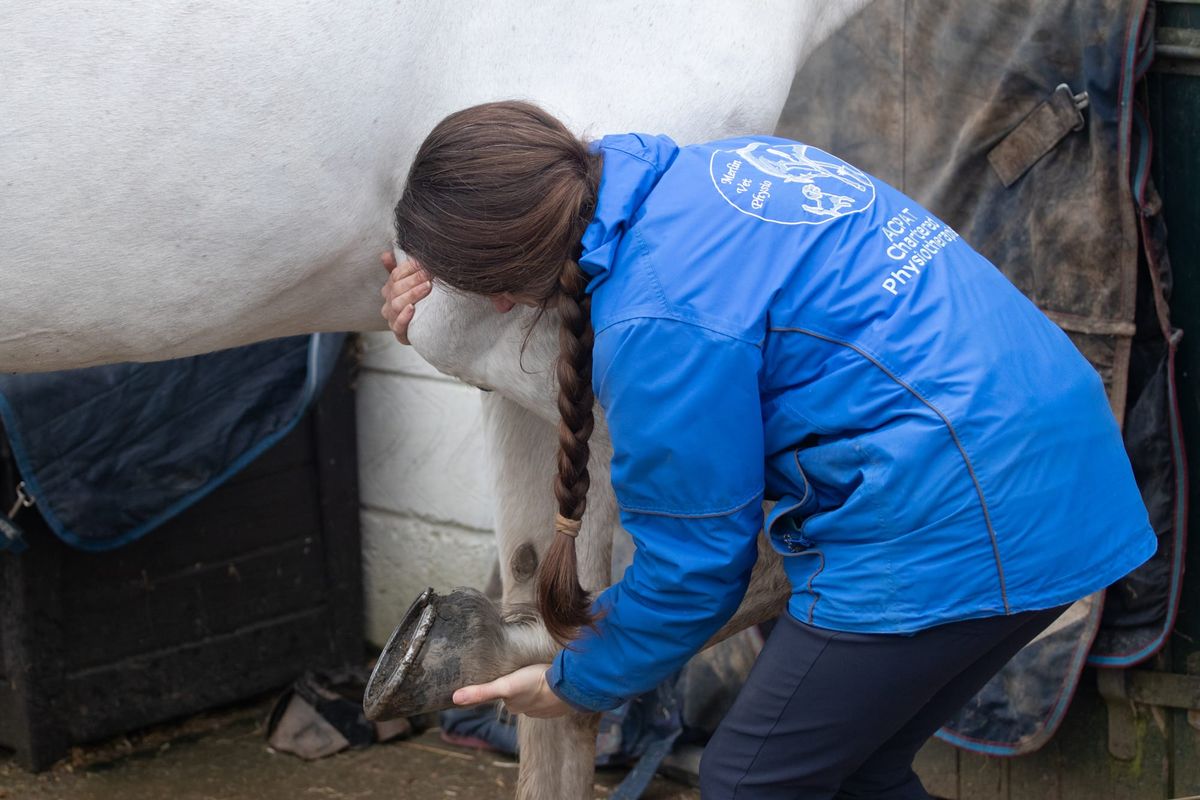
Warning: you will question whether you know how to breathe as you watch this episode. I stopped three times while writing this issue to check how I was breathing. I spend an extraordinary amount of time at a desk, and my nearly 50-year-old body reminds me regularly that humans aren't made for this lifestyle. It also turns out the classes to help me compensate have taught me to breathe wrong.
The wrong half of the instruction
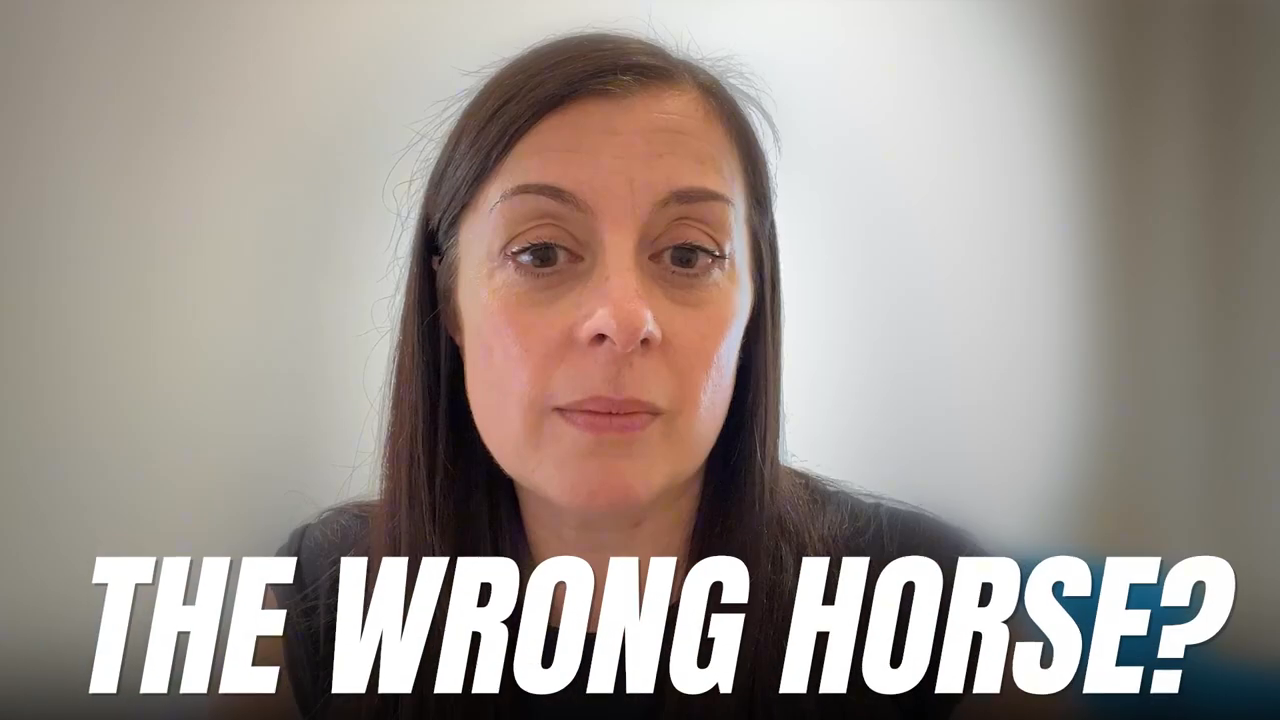
Ciara Glaisher is a chartered physiotherapist who spent 14 years in the NHS before she got to do the job she really wanted, treating horses. These days she treats horses and riders together, and she opens this week's episode with with: Babies breathe correctly. Nose in, nose out, tummy rising. Then we start school, fold ourselves into chairs, learn to hold our bellies in because flat is what looks good, and the breath climbs into the chest and starts leaving through the mouth. Breathe out through the mouth and the air goes too fast, she says, so the oxygen doesn't get time to hang around in the lungs; breathe shallow and the bottom of the lungs never fills at all.
Here is where it stops being a wellness segment. Muscles run on oxygen. A rider with a perfectly good position at the start of a ride starts mouth breathing through sitting trot, the supply drops, and the position starts to fall apart. Ciara gets booked to check horses that seem sluggish, owners worrying about arthritis, and has more than once found the blockage sitting on top. In her words: "It ends up literally being the human blocking them from moving forwards."
What a rider's body does to a horse
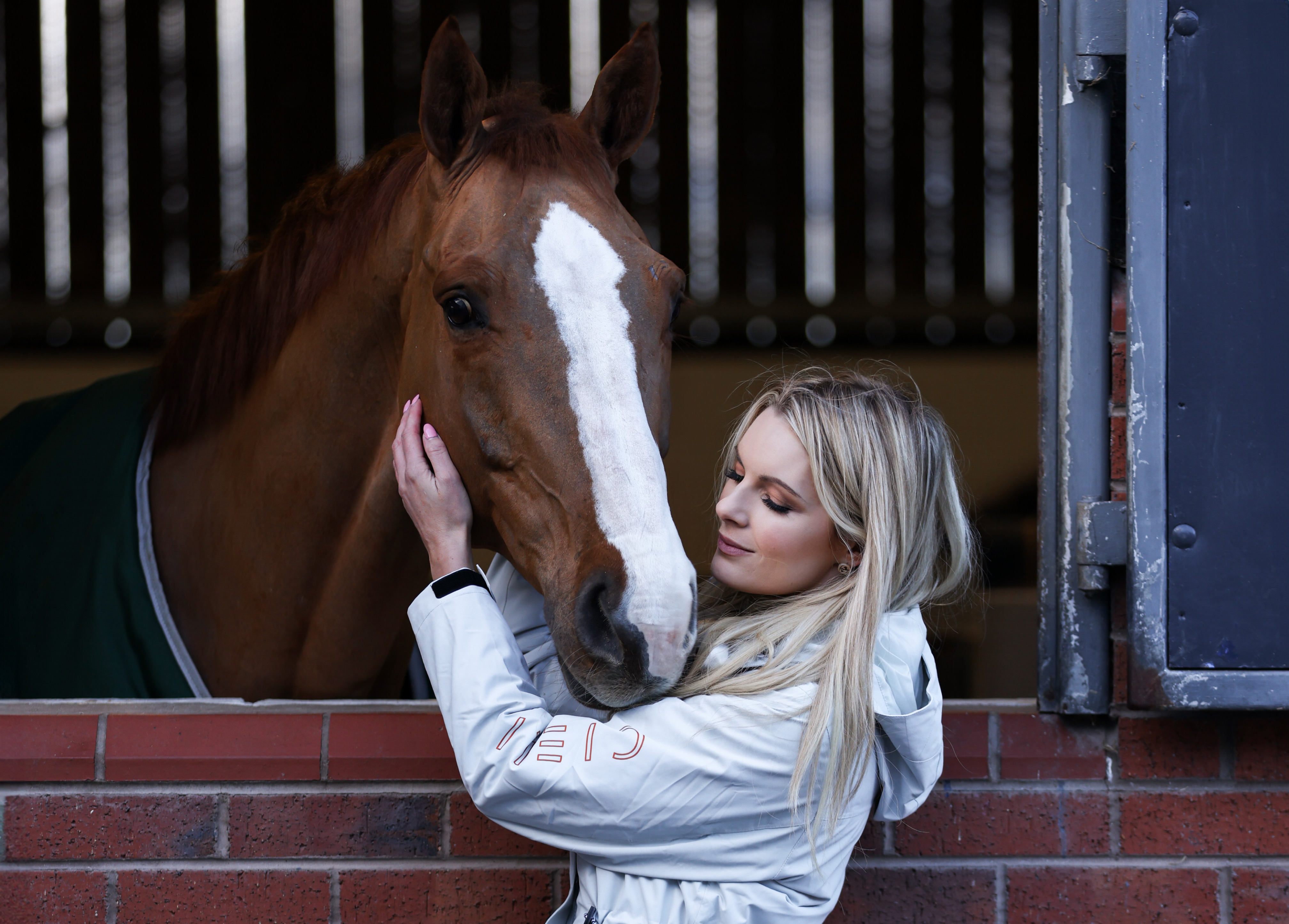
Her word for horse and rider is one biomechanical system, and if you've ever seen the anatomy under the saddle painted on, you'll know why. Her homelier version: carry a child on your back on hands and knees and you feel every lean and arch through your whole body. That's us to our horse. Horses compensate for it, mostly without complaint, and Ciara thinks a fair share of injuries and vet bills trace back to rider asymmetry. One of her sessions this summer began with a pony, a dip of muscle under the back of the saddle the horses owner braced for bad news about the fit; the trail led instead through a stiff spine and the rider's tilted pelvis, which is exactly why what a badly fitted saddle actually does and what a rider's body does are so hard to tell apart from the ground.
The fixes that cost nothing
This is the part I appreciated most, because Ciara knows precisely why riders put themselves at the bottom of the list in a hay-crisis year, and almost everything she suggests is free. Breathe through your nose - both ways. Put your hands on your stomach and let the breath push them outwards. Carry the glass in your other hand, turn the key with your other hand, notice which way you slump towards the gear stick. Move often rather than sitting beautifully: she's untroubled by slumping, only by staying put, because in her reading of the evidence a posture held for two hours is the problem, not the posture. Warm up before you get on, even if you're the only one at the yard doing a pelvis wiggle at the mounting block. Unfortunately mucking out doesn't count, because carrying buckets is strenuous in exactly the lopsided pattern you're about to sit into the saddle. And keep a diary of the small stuff, the tail swish when you mount, the quirk two days into the shoeing cycle, because patterns beat memory. If your not sure how to spot subtle pain check out our interview with Dr Sue Dyson.
Ciara said something in passing that I keep coming back to: she's in awe of horses because they forgive us so much, and they compensate in their bodies whether we notice or not. We budget for their physio, their saddler, their farrier and their dentist, then send the other half of the system up the mounting block unexamined. Horses forgive us a great deal. They shouldn't have to forgive our breathing.
The main listen. The full conversation with Ciara is below.
Find Ciara at Merlin Veterinary Physiotherapy, where her Symmetry & Synergy rider programme lives, or on Instagram and Facebook.
After hours
The After-Hours Tapes this week: Ciara stayed on after the recording light went off, cameras down, audio only, for the listener questions. She's an animal person who spent 14 years learning to like humans, so the unguarded version is worth your time. Free for every subscriber, as ever; press play.