The Science Behind Your Horse's Comfort: Why Most of Us Are Getting Saddle Fitting Wrong
We've been placing saddles incorrectly for generations – and our horses are paying the price.

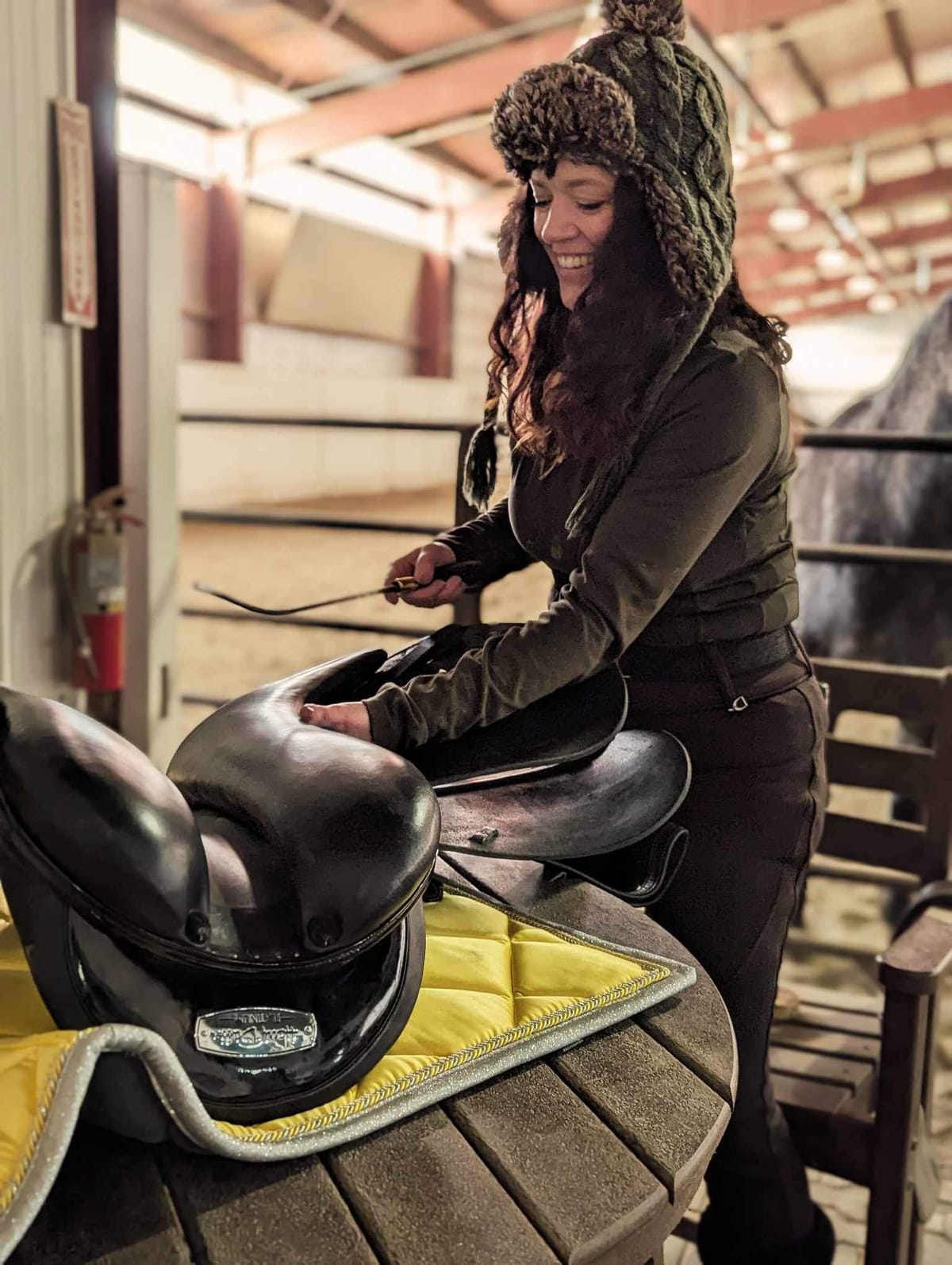
We meticulously schedule our horses' farrier visits, dental check-ups and vaccinations, there's one crucial aspect of equine welfare that remains woefully overlooked: saddle fitting. This week's conversation with certified saddle fitter Jennifer Howland-Christensen reveals the startling truth about how badly fitted tack is silently damaging our horses – and why the solutions are more accessible than we think.
This Week's Deep Dive 🎧
Guest: Jennifer Howland-Christensen, Certified Saddle Fitter and Owner of High Plains Saddle Fitting
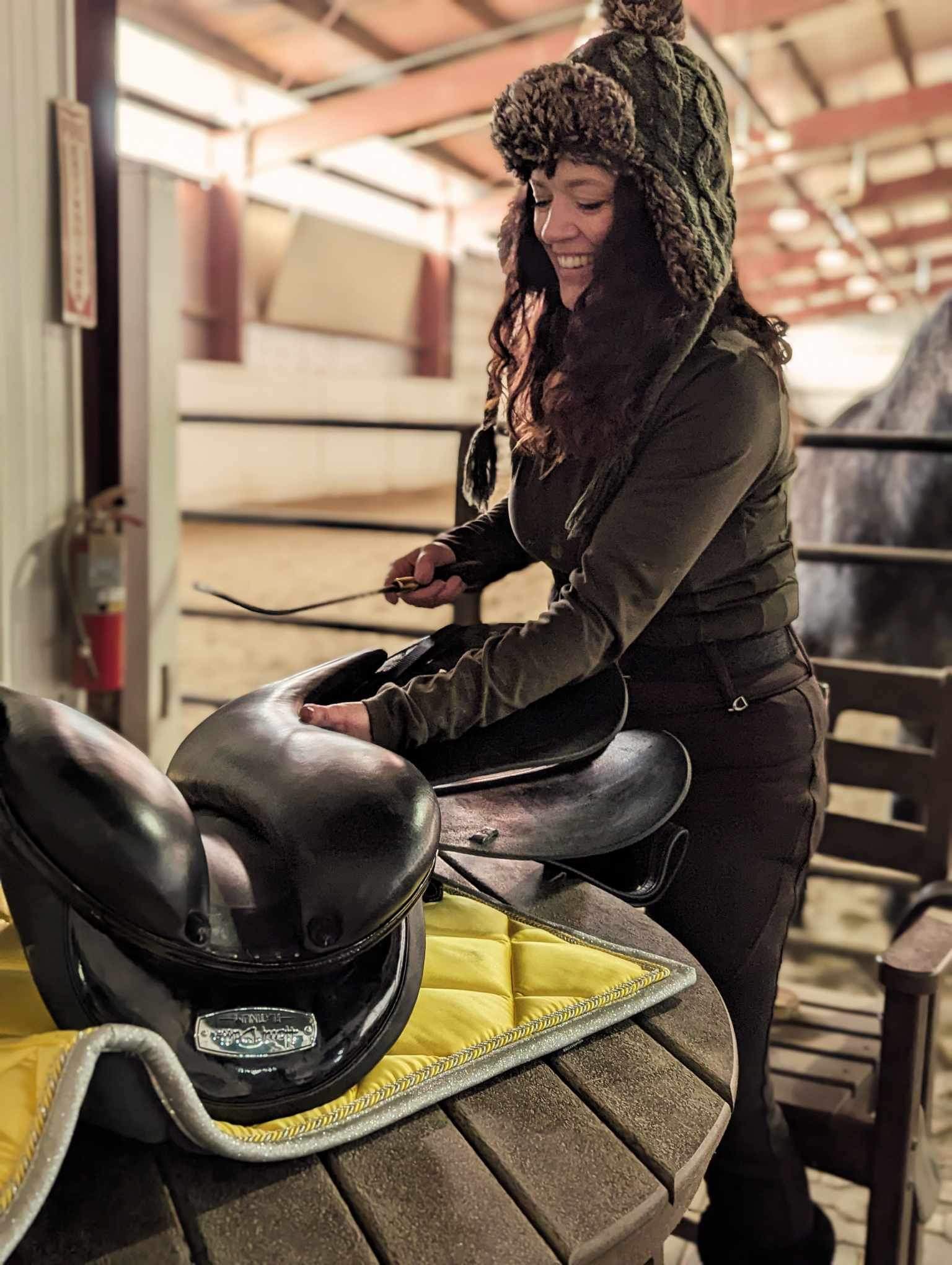
Background: Former hairstylist turned equine professional, working with her challenging Appaloosa, Zippy
Key Topics:
- The physical and psychological damage caused by ill-fitting saddles
- Early warning signs every horse owner should recognise
- The ancient craft of wool flocking and why it matters
- Common mistakes in the hunter-jumper world
The Big Takeaway
Your horse's behaviour problems might actually be pain responses in disguise. Jennifer's own journey with her expressive Appaloosa, Zippy, taught her that what trainers often label as "naughty" behaviour – head bobbing, resistance after jumps, girthiness – can actually be horses crying out in discomfort. When Jennifer discovered Zippy had severe ring bone, suddenly his "sass" after landing jumps made perfect sense: he was experiencing pain on impact.
This revelation extends far beyond individual horses. We're perpetuating a cycle where generations of riders are taught to place saddles too far forward, to "pad up" narrow saddles, and to prioritise appearance over comfort. The result? Horses developing muscle atrophy, movement dysfunction, and lasting physical damage that could be entirely preventable.
Three Things That Stood Out
1. "I can walk up to a horse and see where the tree point is digging in"
Jennifer's ability to visually identify saddle pressure points speaks to how common this problem has become. She regularly encounters horses with visible indentations in their muscles where poorly fitted saddles have created lasting damage. The most telling sign? That hollow space behind a horse's withers – an indicator that the trapezius muscle has suffered from sustained pressure and poor saddle placement.
2. The six-to-nine-month rule that most owners ignore
Unlike other equine services, saddle fitting isn't a "set it and forget it" arrangement. Wool settles, horses' bodies change, and what fitted perfectly in spring may be causing problems by autumn. Jennifer trains her clients to check wither clearance while mounted, a simple test that can prevent weeks of discomfort for their horses.
3. "We're judging on aesthetics rather than what actually fits"
Perhaps the most damning observation about modern equestrian culture: in hunter classes, riders lose points for non-traditional tack choices, regardless of how well they fit their horses. This creates a perverse incentive system where appearance trumps animal welfare, something Jennifer believes needs urgent reform.
Deep Dive Analysis
The Physical Consequences: More Than Just Discomfort
The mechanics of saddle fitting reveal why this issue demands urgent attention. When a saddle doesn't fit properly, whether too narrow or too wide, it creates uneven pressure distribution across the horse's back. This pressure doesn't just cause momentary discomfort; it fundamentally alters how horses move.
A horse experiencing saddle pain will hollow its back to evade discomfort, creating a cascade of biomechanical problems. This defensive posture prevents proper engagement of the hindquarters, affects shoulder movement, and can eventually cause the horse's chest to drop away from the shoulder girdle. The result is a horse that cannot move efficiently, leading to accelerated breakdown and shortened athletic careers.
Jennifer's description of permanently grooved backs, literal indentations where ill-fitting saddles have caused muscle wastage, serves as a stark reminder that these aren't temporary issues. The damage can be irreversible.
The Education Gap: When Tradition Trumps Science
The saddle fitting industry faces a unique challenge: in many regions, particularly rural areas of the United States, the service is still considered novel. Jennifer frequently encounters horse owners who've never worked with a saddle fitter, requiring extensive education about why regular checks matter.
This education gap perpetuates dangerous practices. The common belief that horses need "medium trees" oversimplifies a complex biomechanical puzzle. Tree shape, angle, and balance all play crucial roles in saddle fit, yet many riders make purchasing decisions based on oversimplified categorisations.
The Art Meets Science: Why Wool Flocking Endures
In an age of synthetic materials and foam padding, wool flocking represents a 14th-century technology that remains unmatched for customisation and performance. The natural material's ability to conform to individual horse shapes, combined with its moisture-wicking and shock-absorbing properties, explains why skilled fitters still prefer this labour-intensive approach.
Jennifer's description of the flocking process, carefully layering Jacob's wool to create precise pressure distribution, illustrates why saddle fitting combines technical knowledge with artisanal skill. The satisfaction she describes in achieving the perfect fit reflects the deep craftsmanship involved in this ancient trade.
the 'after-hours' tapes
The recording light went off. Anna Louise put down her notes and asked the question we couldn't ask on air. It is about how many saddles a horse actually needs. If you are in the herd, that recording is below.