What If Your Horse Is Hiding Trauma? The Truth Behind the Calm
Why "quiet, obedient" horses might actually be shut down and struggling

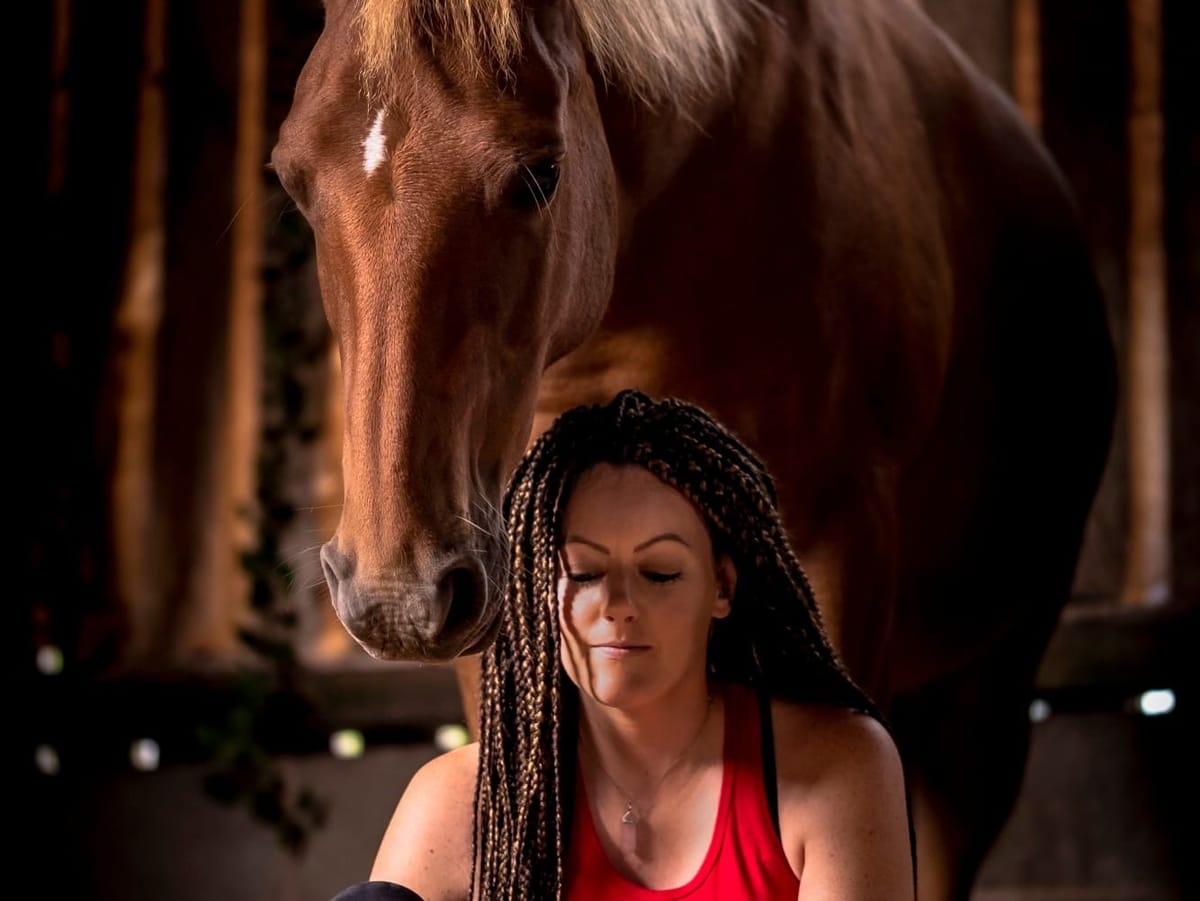
What if that bolshy, dangerous horse everyone's written off is actually just trying to tell you something? This week, we dive deep into the hidden world of horse trauma with Hannah Jones, a healer who's helping horses find their voice and teaching us to listen.
This Week's Deep Dive
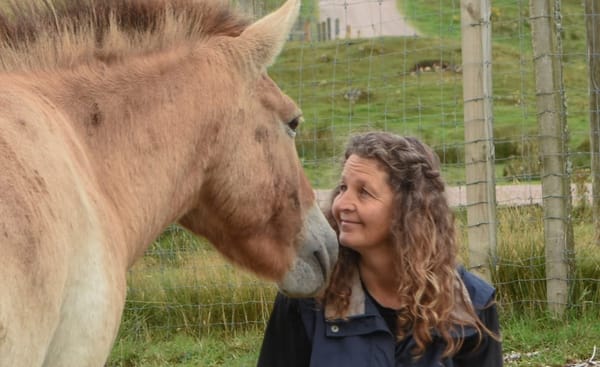
Guest: Hannah Jones, a Reiki Master, equine therapist, and certified Masterson Method practitioner who has helped hundreds of horses heal from trauma. Her unique holistic approach blends energy work, bodywork, saddle fitting, and biomechanics, inspired by Celtic philosophy and her own journey of healing alongside her horse, Phoenix.
Key Topics:
- How early weaning creates lifelong separation anxiety
- Why "quiet, obedient" horses might actually be shut down and struggling
- The difference between soul-level connection and simple companionship
- Essential oils as horse-selected healing tools
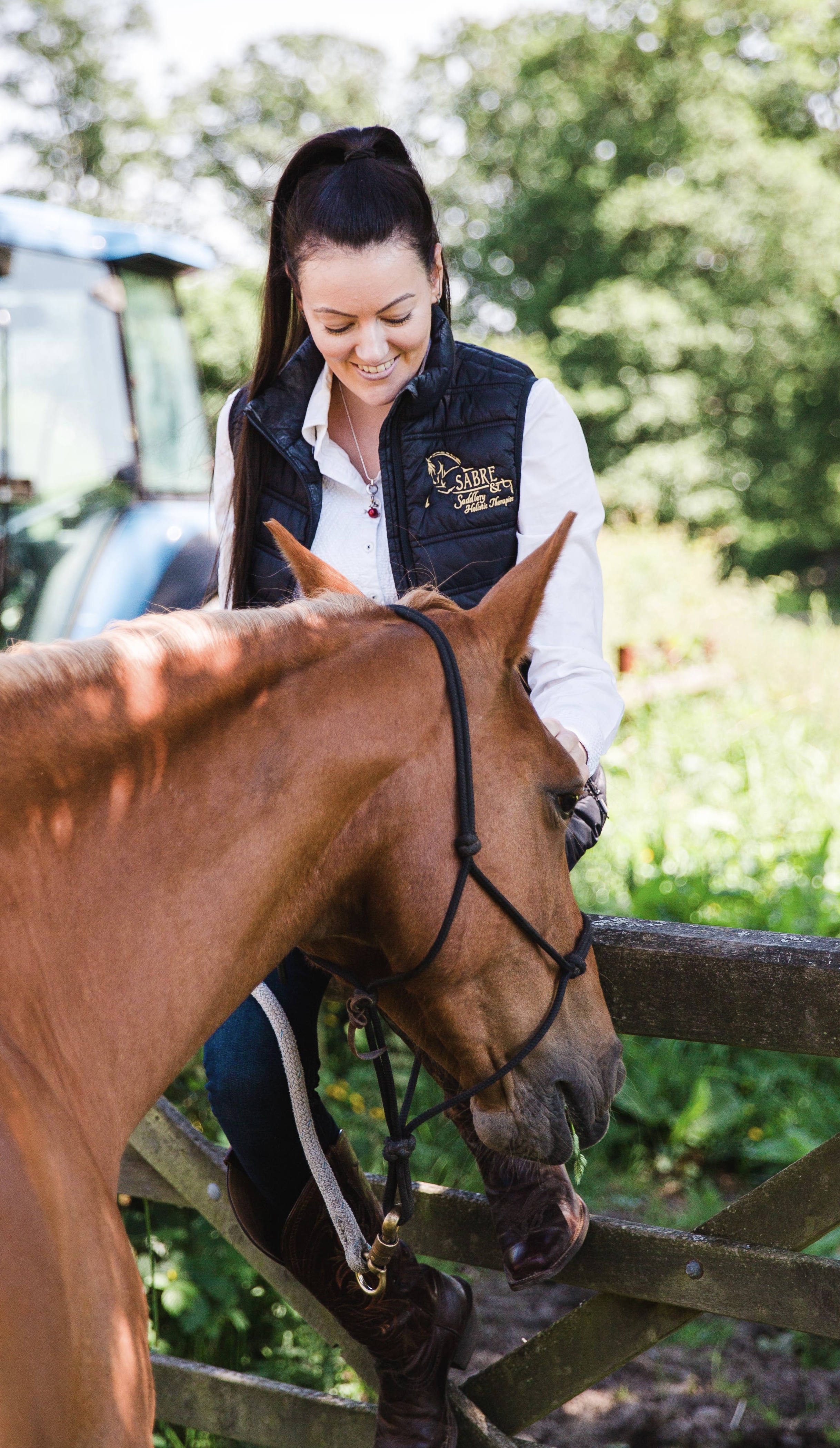
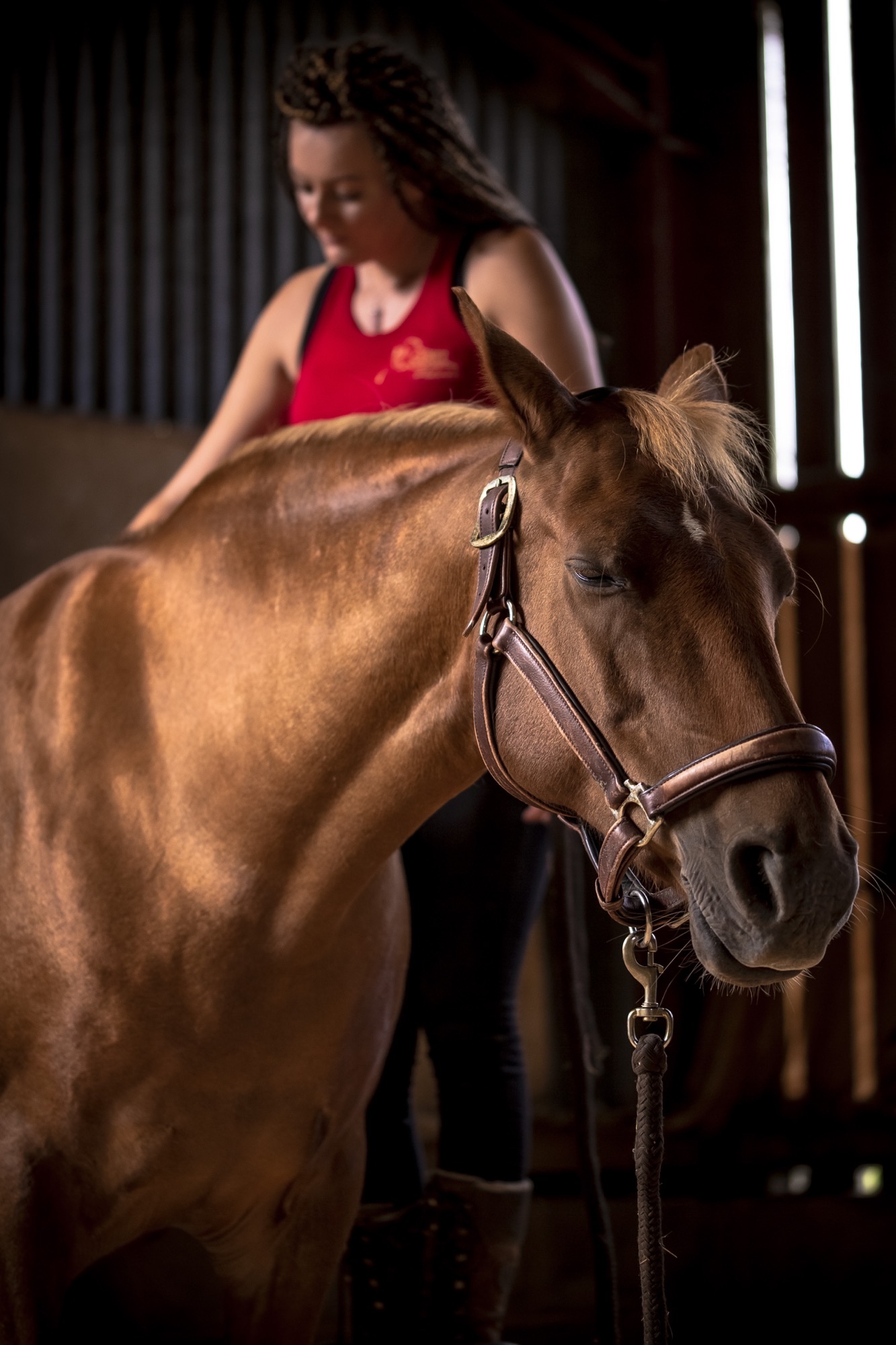
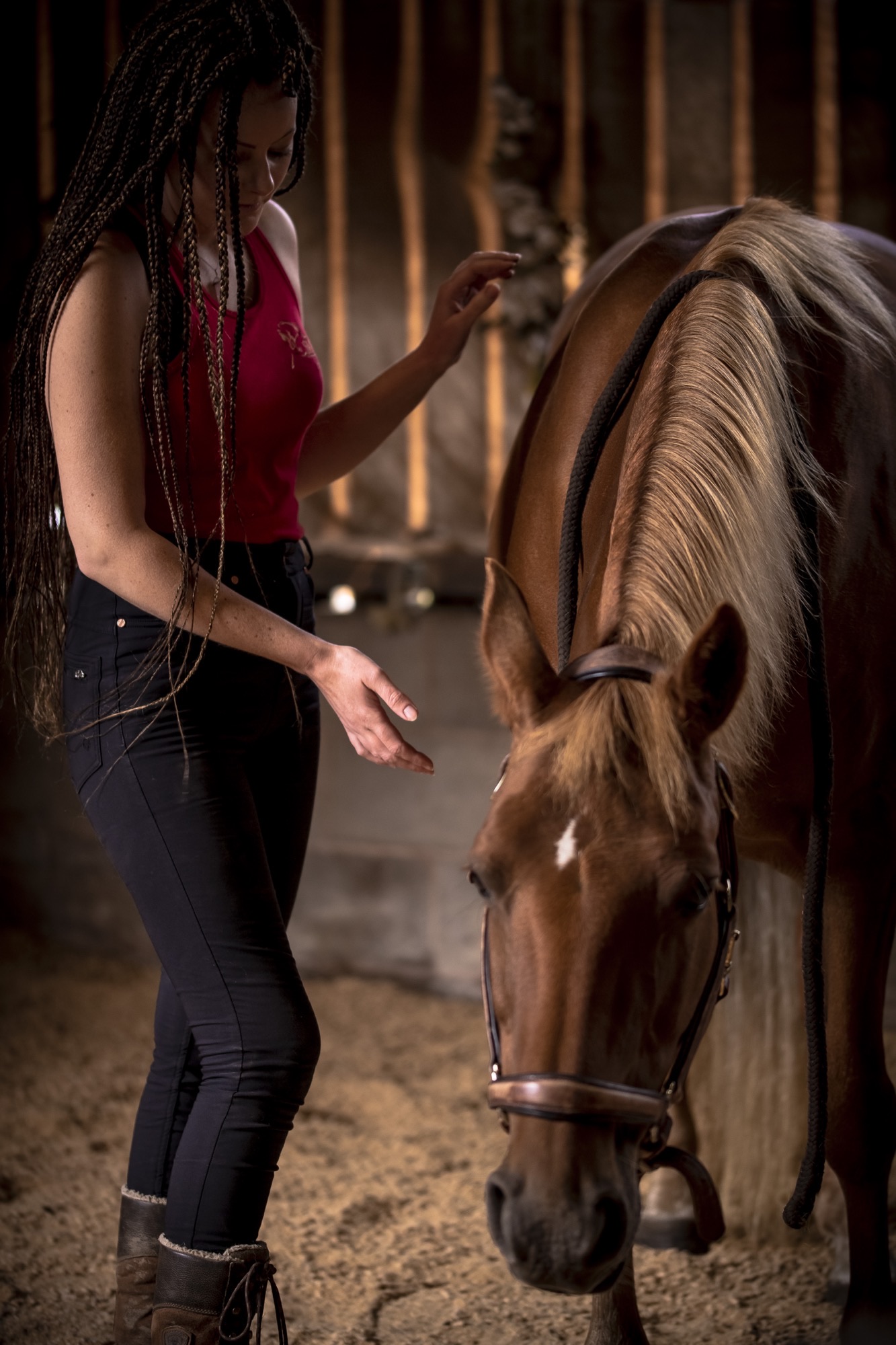
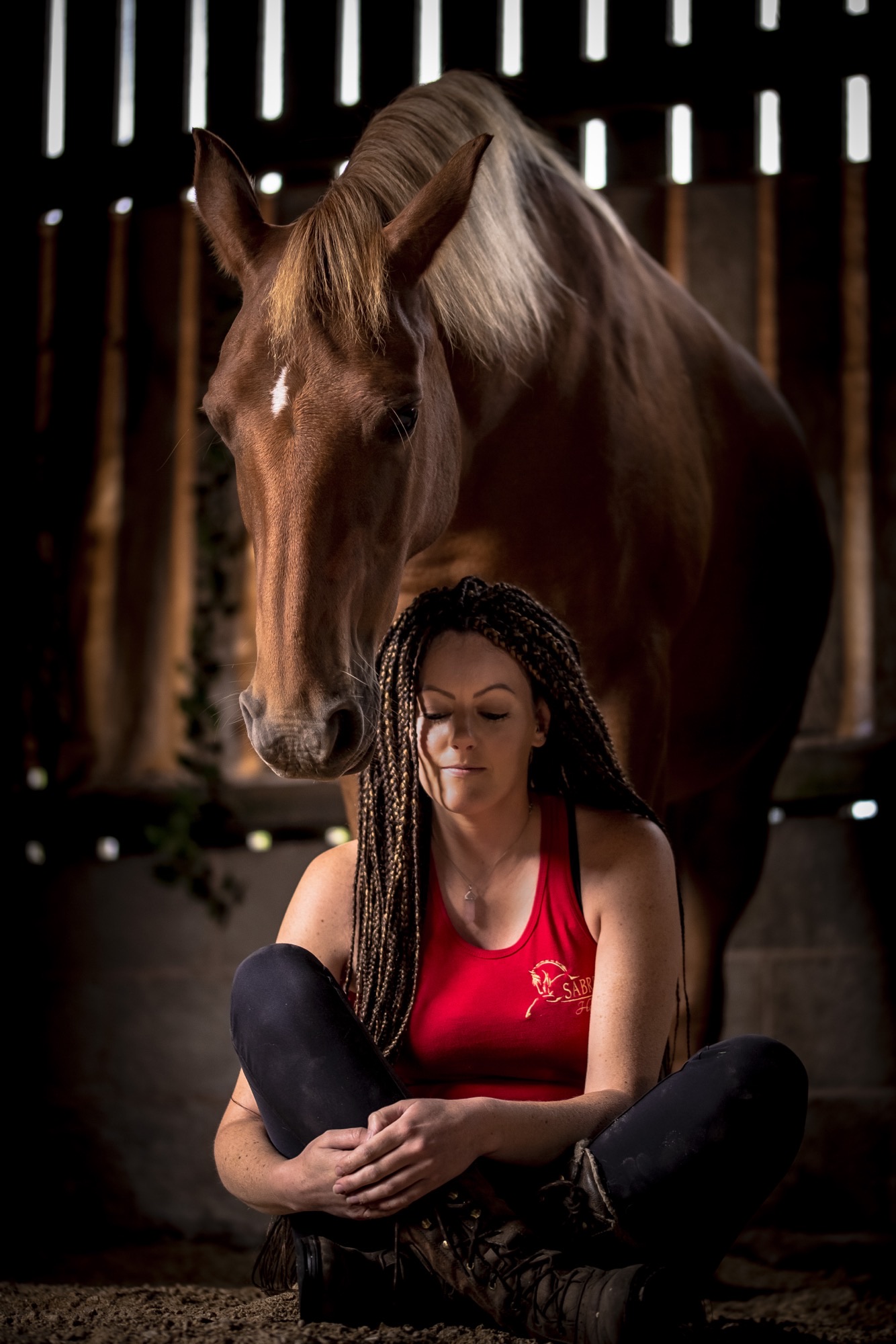
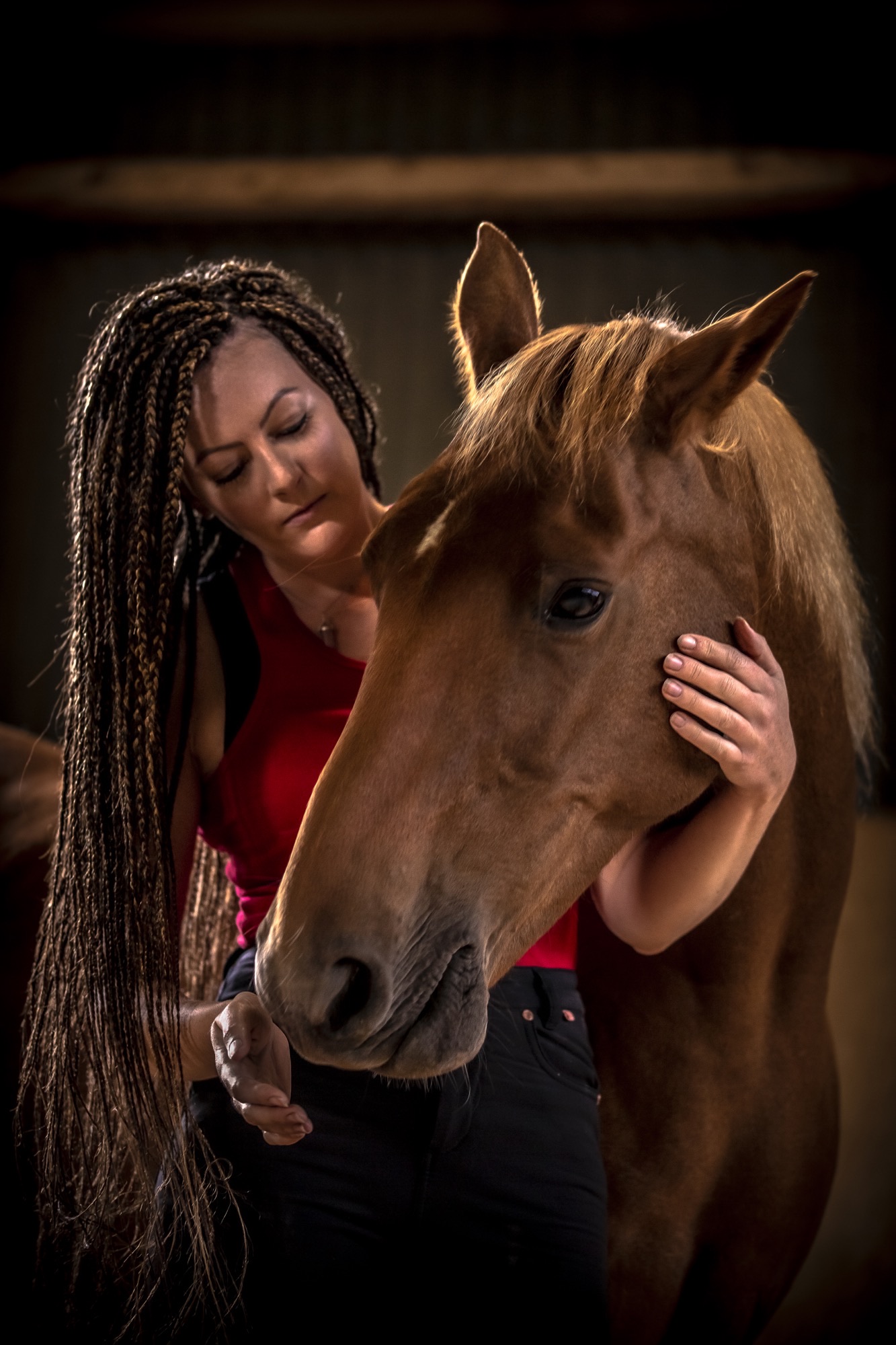
Hannah Jones | https://www.sabre-holistics.com/
The Big Takeaway
Hannah's most powerful insight completely reframes how we think about difficult horses: "Bad behaviour is just them talking." When a horse rears, bucks, or bolts, they're not being naughty, they're having a conversation with us about pain, fear, or trauma we haven't recognised.
This perspective shift changes everything. Instead of meeting dominance with dominance or dismissing behaviour as disrespect, we can start asking: what is my horse trying to tell me? That "dangerous" horse who's been labelled difficult might simply be a deeply traumatised animal finally finding the courage to express what they've been carrying in silence.
What Stood Out
1. "The softer you are with the horse, the softer they'll be with you"
Hannah's work with a horse previously labelled "bolshy and dangerous" revealed how our energy directly mirrors back to us. When handlers approached with dominant energy to "control" the behaviour, the horse responded defensively. The transformation came when someone finally saw him for who he truly was—not a problem to be solved, but a soul in pain seeking understanding.
3. The quiet horse might be the one suffering most
We've been conditioned to celebrate the "good" horse who stands quietly and does as they're told. But Hannah warns that many of these horses have simply shut down to protect themselves. "You'll look at their eyes and nobody's home," she explains. These horses deserve just as much attention as the obviously reactive ones, perhaps more, because they've learned that their voice doesn't matter.
Deep Dive
Rethinking Our Professional Team
Hannah makes a compelling case for expanding our standard care team beyond vet, farrier, and physiotherapist to include energy healers and trauma specialists, recognising that horses are complex beings with minds, bodies, and spirits that all need tending.
Multi Model Approach
What makes Hannah's method particularly compelling is how she blends measurable, physical bodywork with spiritual communication. She reads a horse's energetic state through photographs, then backs up those findings with hands-on massage, essential oil therapy, and trauma release techniques. The horses themselves validate the accuracy through their responses and healing progress.
This integration addresses something many of us sense but struggle to articulate: that horses operate on levels beyond the purely physical, and healing often requires addressing all dimensions of their experience.
Moving Beyond Traditional Horsemanship
The episode challenges some deeply entrenched traditions in horse management, particularly around early weaning and saddle fitting. Hannah suggests that practices we've accepted as normal, separating foals from mothers based on human timelines rather than emotional readiness, may be creating trauma that manifests years later as "behavioural problems."
After Hours: Unlocking the Soul Connection
Can a horse truly recover from deep-seated trauma? In this week’s After Hours session, Hannah Jones reveals the transformative power of holistic therapy and why she believes every owner has the innate ability to become a healer. We discuss moving away from a "throwaway culture" and instead investing in the profound, investigative journey of understanding our horses' spiritual health.