The native ponies we are losing

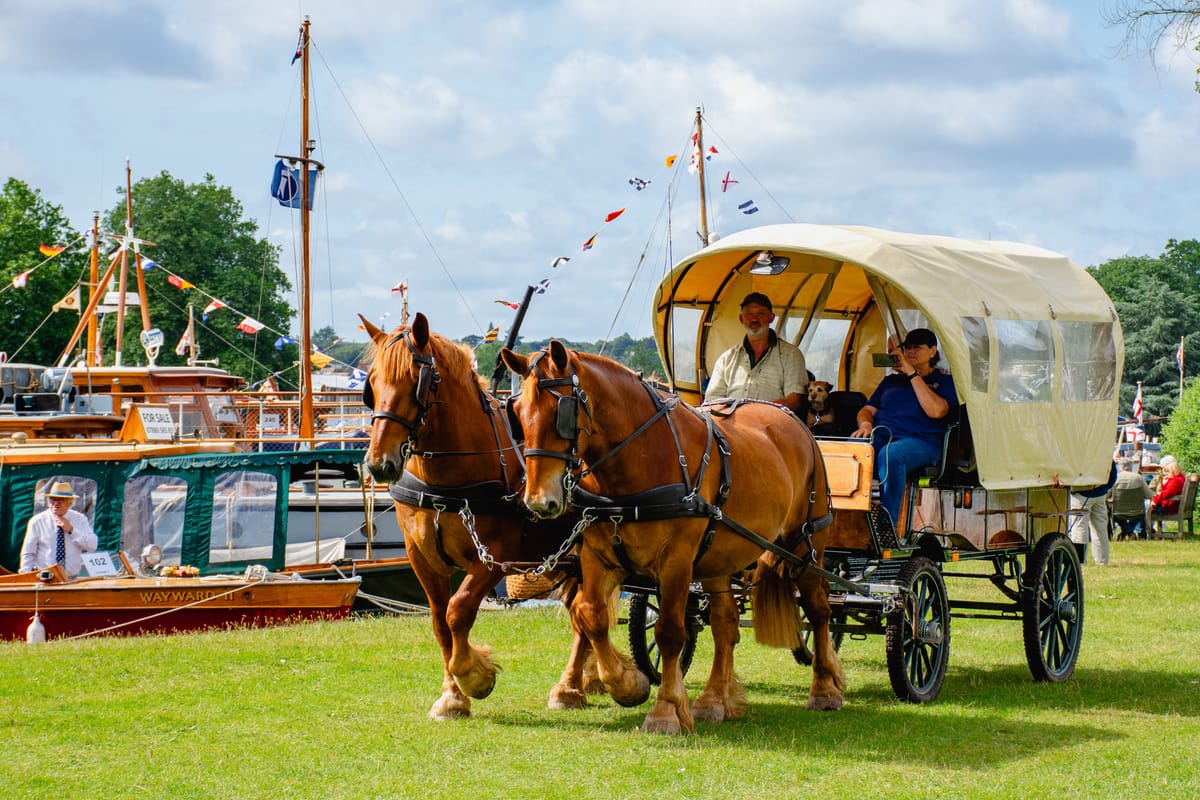
I have always found heavy horses a bit intimidating. They are huge. And honestly, I wouldn't know where to start with handling one.
I assumed that because we see them at county shows, these breeds were doing fine. A bit niche perhaps.
It turns out I was wrong.
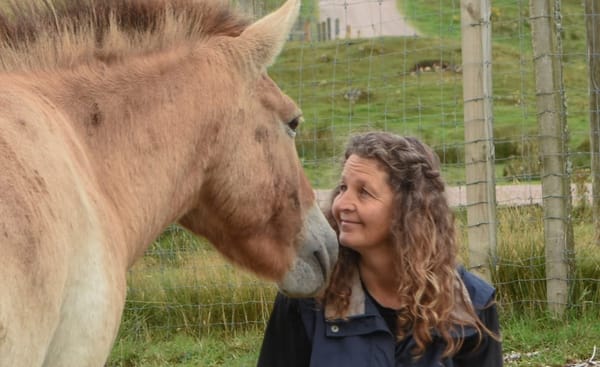
Feat. Tracy Wathen-Jones from the Rare Breeds Survival Trust.
In this episode, Anna Louise talks to Tracy Wathen-Jones from the Rare Breeds Survival Trust. I was listening to the audio while editing and realised I had completely missed the point of why these breeds matter. It isn't just about nostalgia. *Inquisitive Herd Members stick around for the 'after hours' audio (see below).
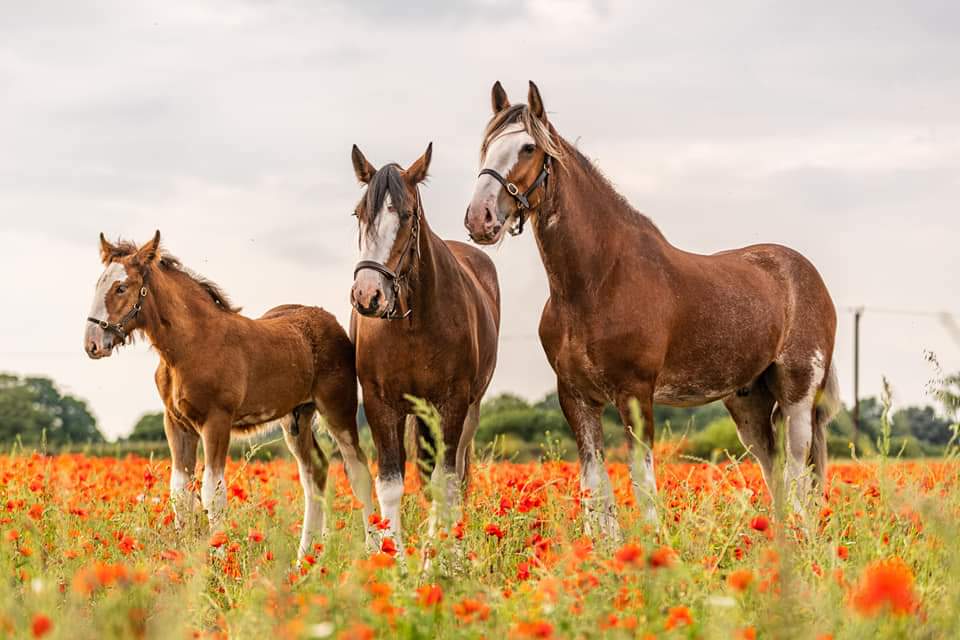
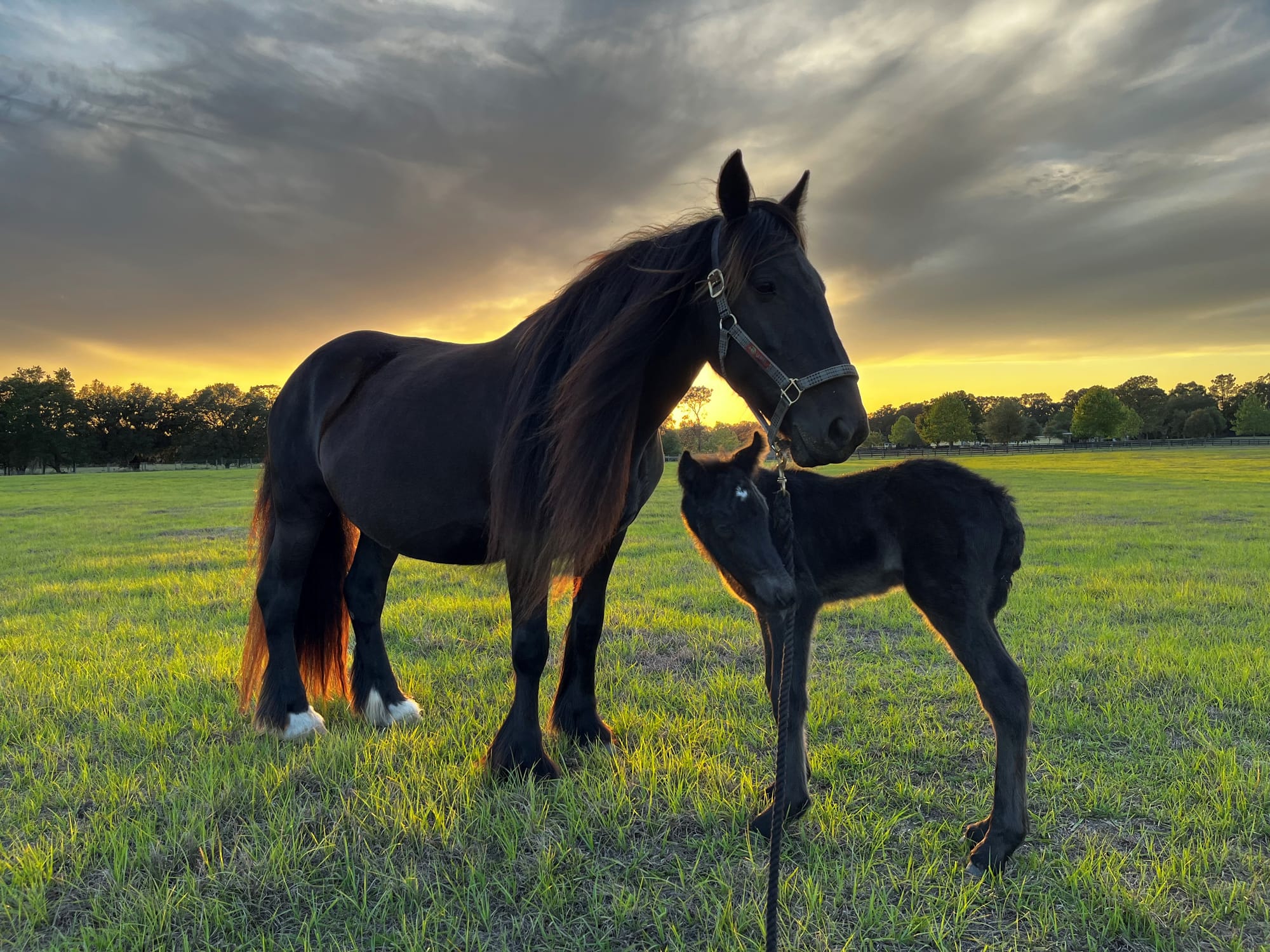
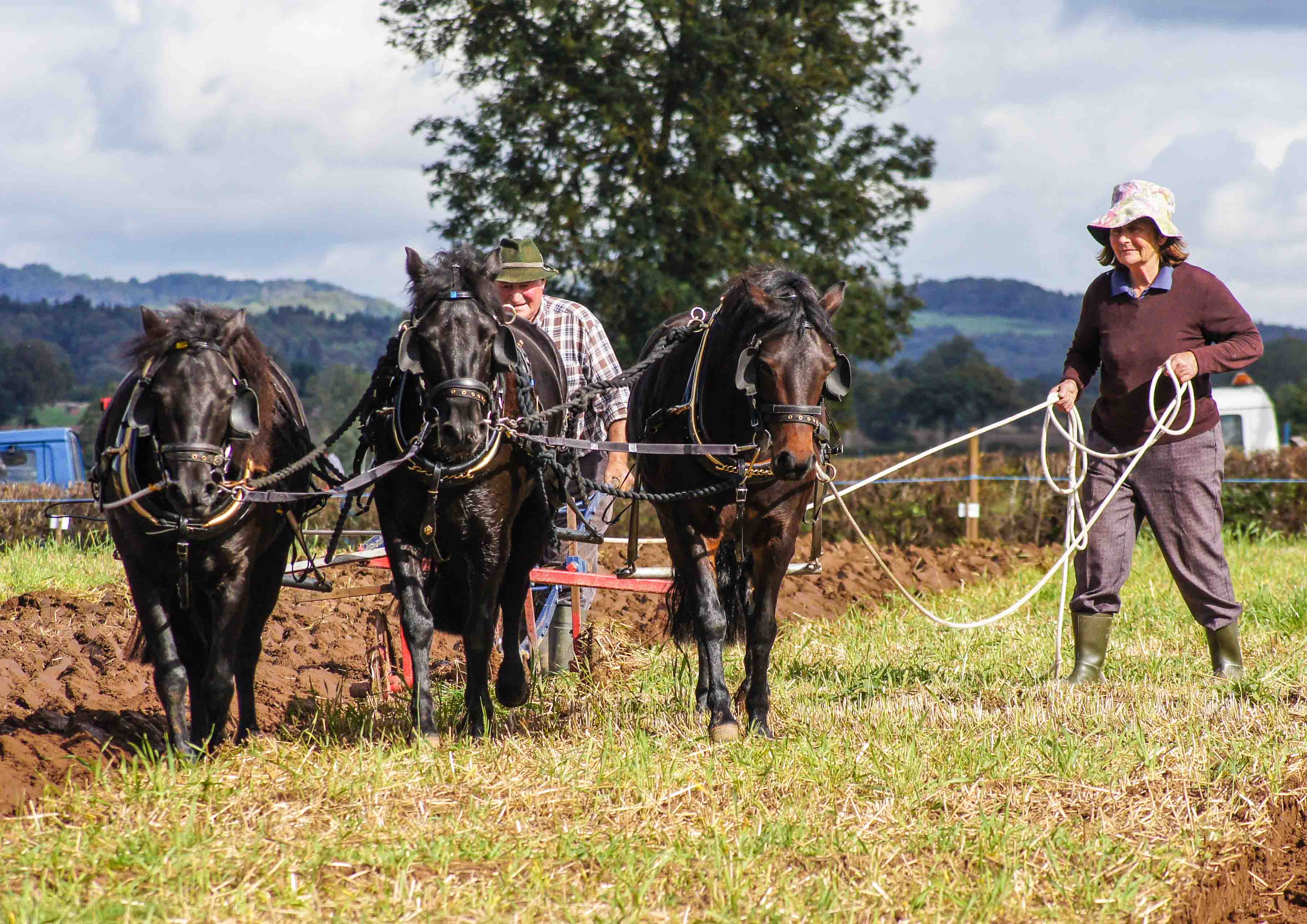
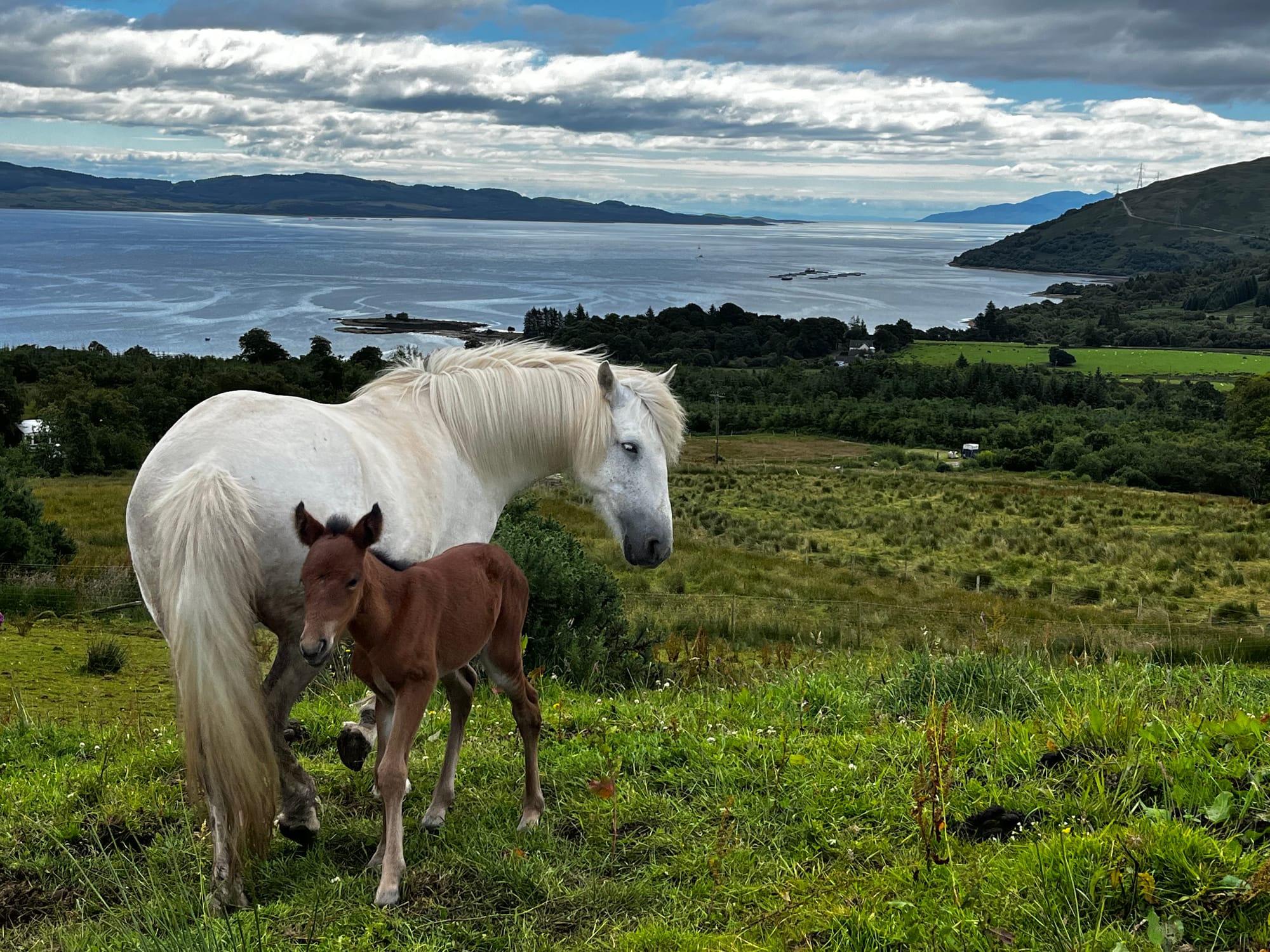
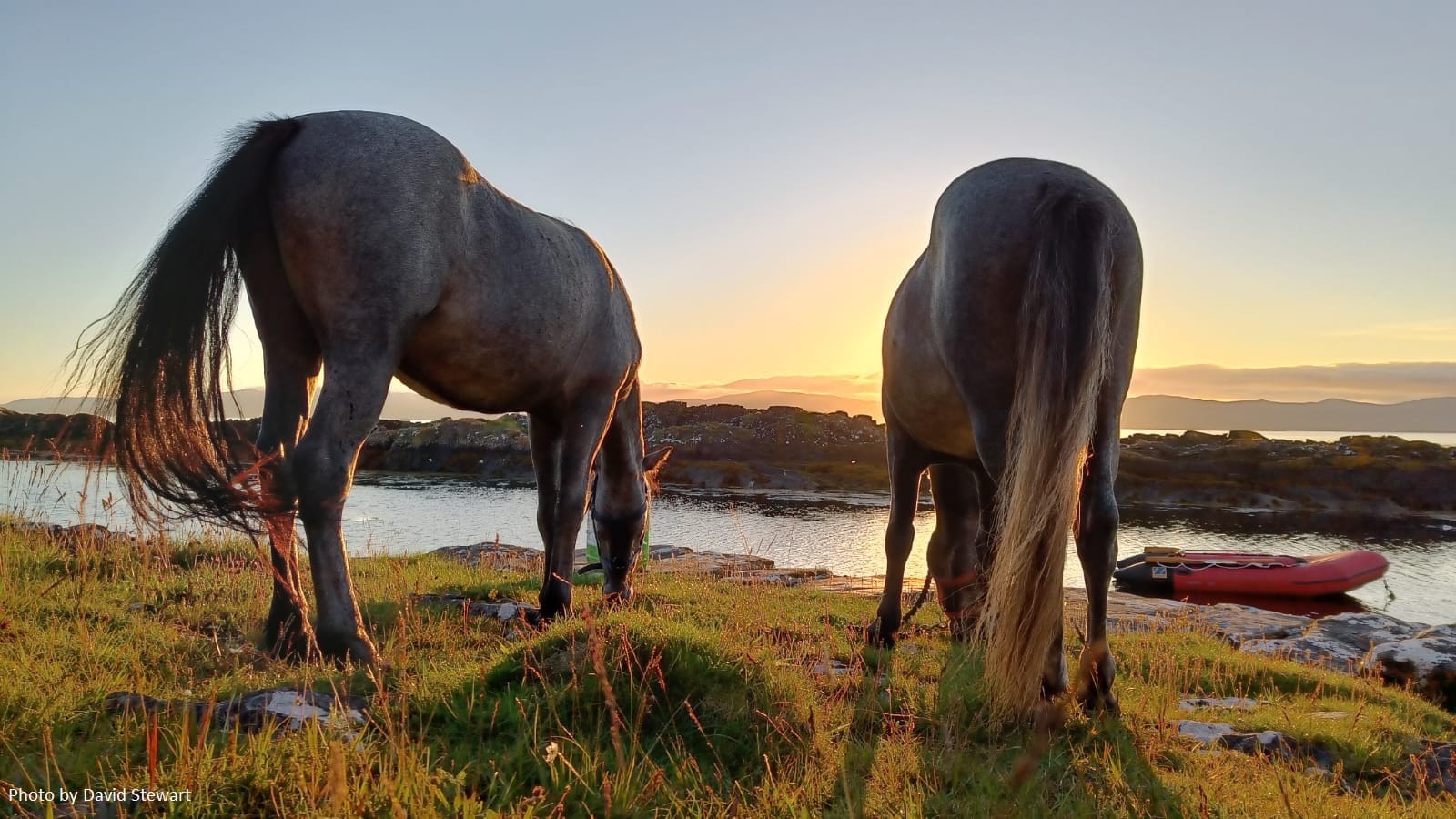
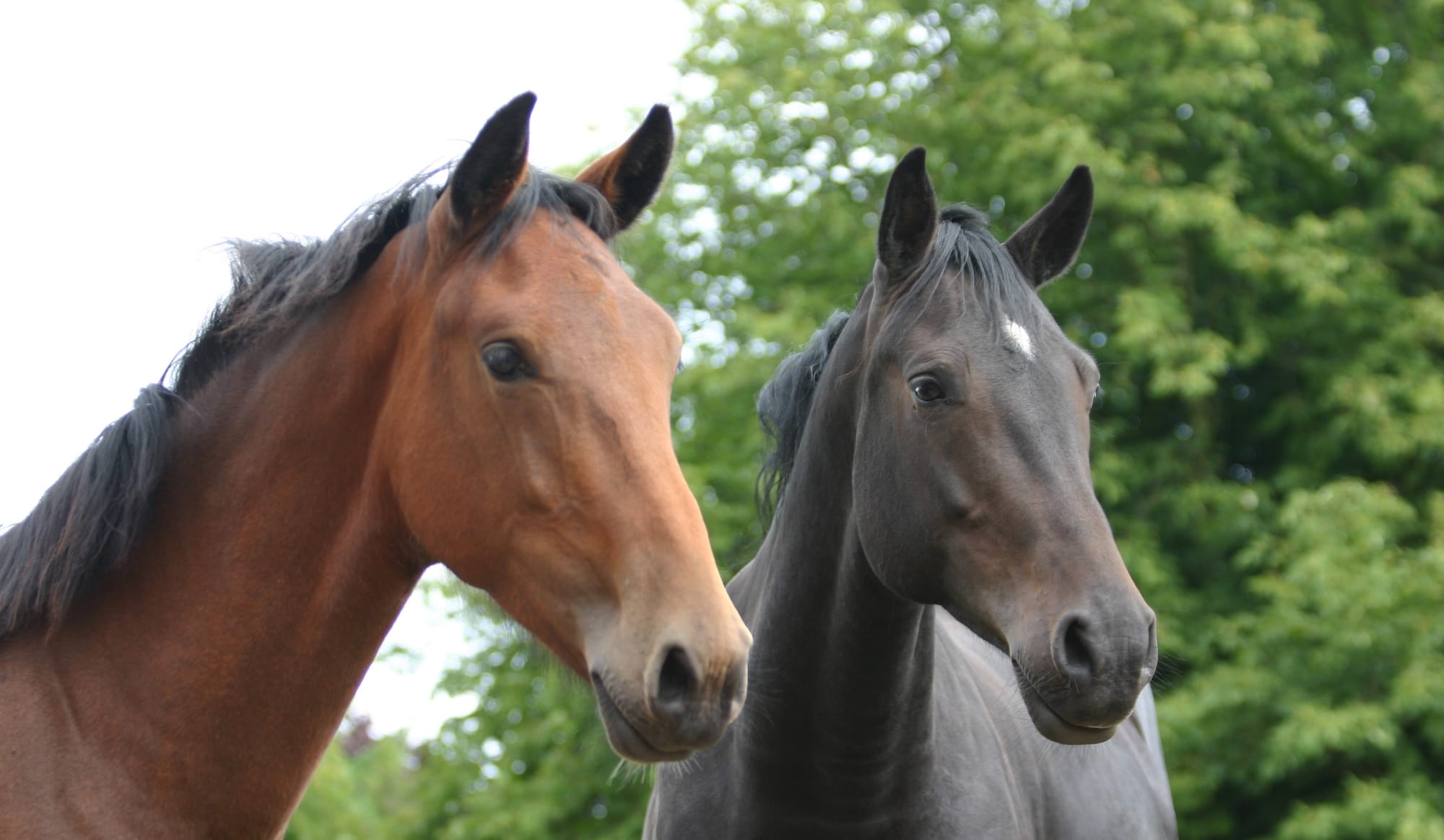
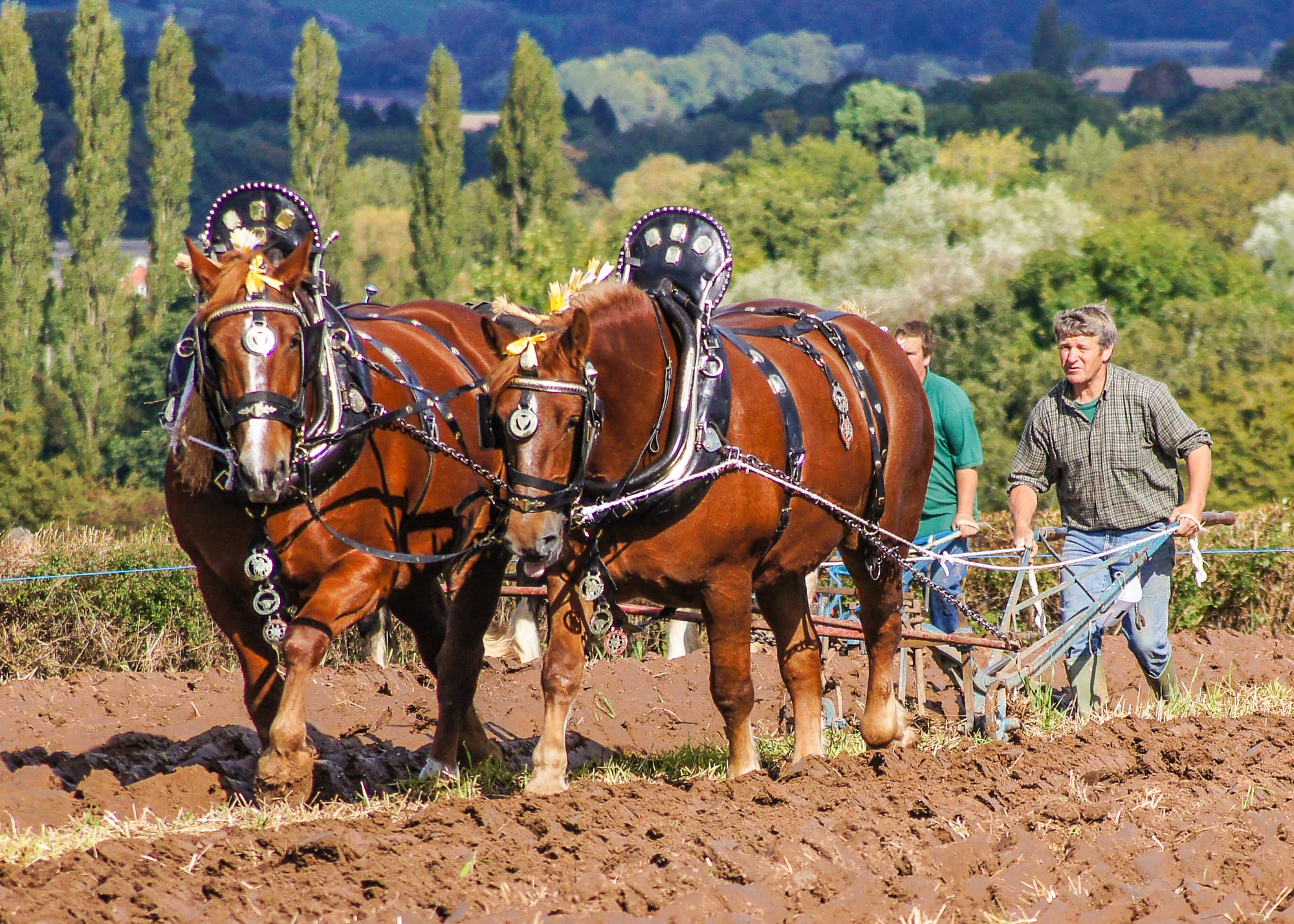
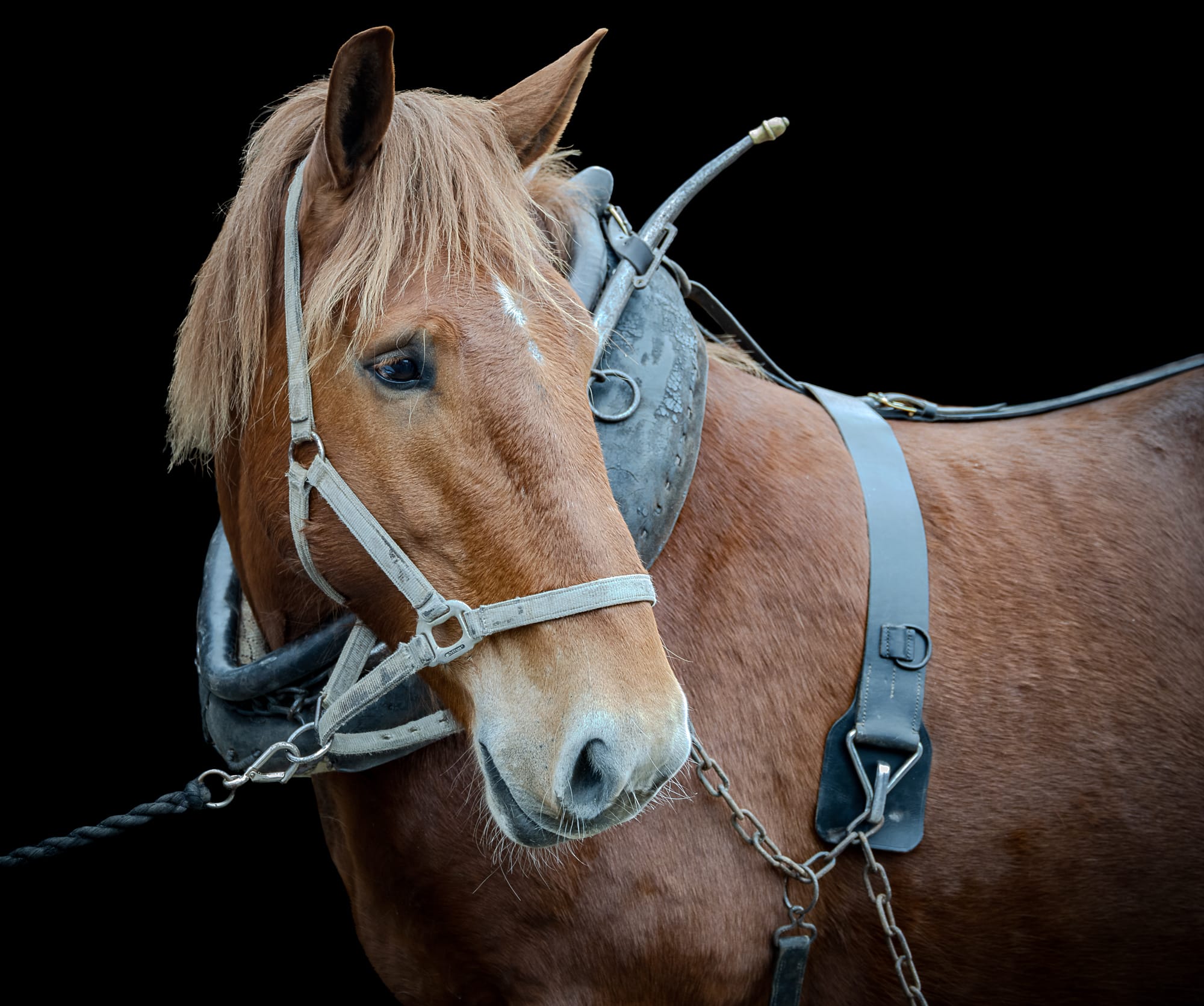
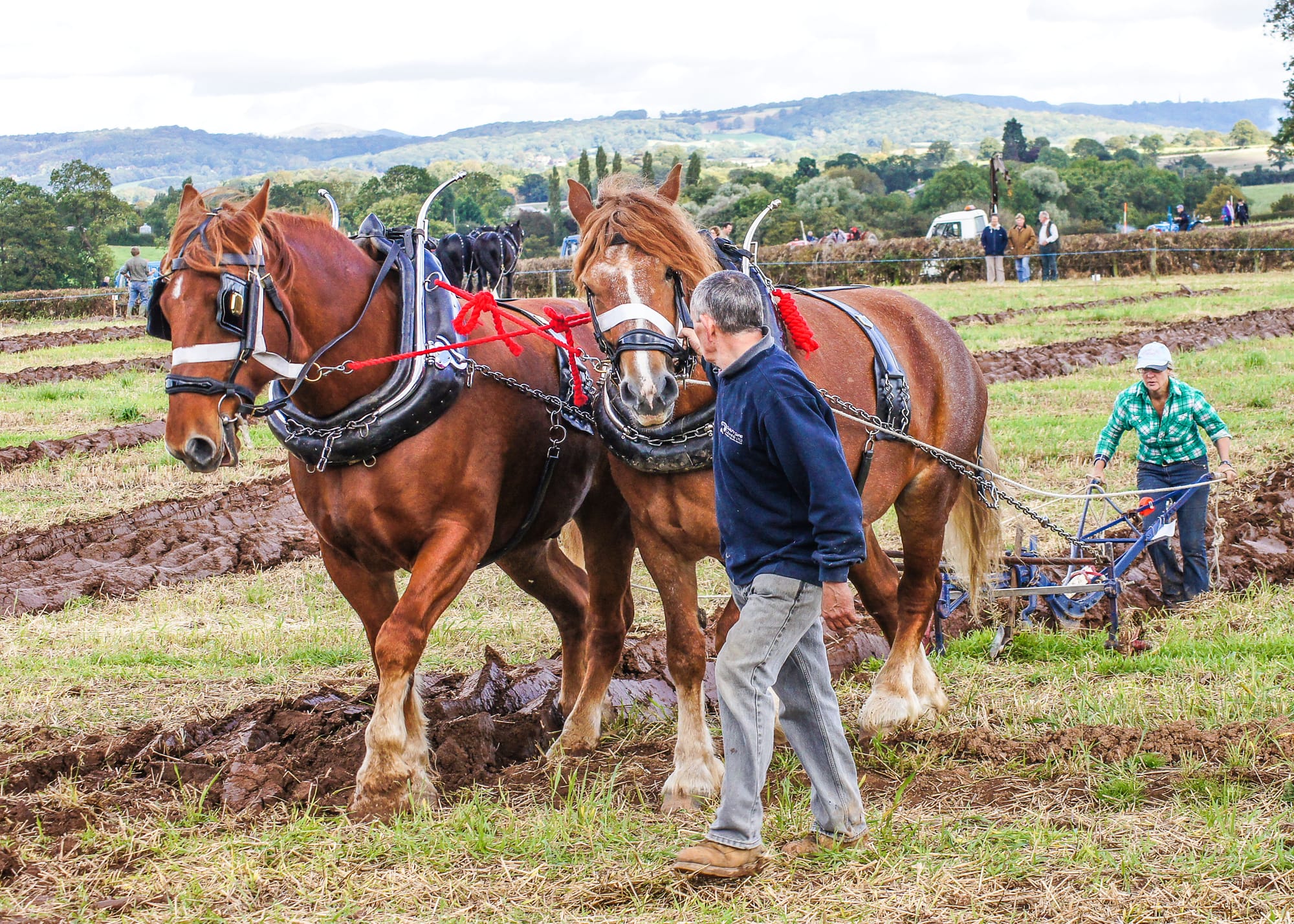
Special thanks to the following photographers and societies for the images used: Jennifer Feleris, John Green, Katrina Bell, Frances Ellis, Louise Blundell, Deborah White, El Dunlop, David Stewart, and the Eriskay Pony Breed Society.
The numbers are scary We often think about extinction regarding wild animals, but our native horses are in trouble. Tracy explained that the Exmoor pony is down 11%. The Eriskay pony has such a small population that they are critically rare.
And it isn't just the number of horses. We are losing the genetics. We have these breeds that were developed over centuries to survive on specific land, and once they are gone, we can't get them back.
Losing the skills. This is the part that really worried me. Tracy pointed out that as the horses disappear, the skills to handle them disappear too.
Handling a shire horse isn't like handling a warmblood. If we lose the old boys who know how to work these horses, we lose the ability to keep the breed going. It made me realise we are losing a whole language of horsemanship.
The freezer insurance policy. There was a moment when Tracy talked about the gene bank. They have semen stored from the 1960s. It is incredible that we have this insurance policy, but it also feels quite stark. We are relying on a freezer to save our history.
The questions we didn't ask on air. We were really curious about the practical side of the "wild" ponies we see on conservation sites. How do you actually get a farrier to a horse that isn't headcollar trained? If you are a supporter, we asked Tracy exactly that.