The Race to Document America's Disappearing Wild Horses
Documenting wild horses across the American West
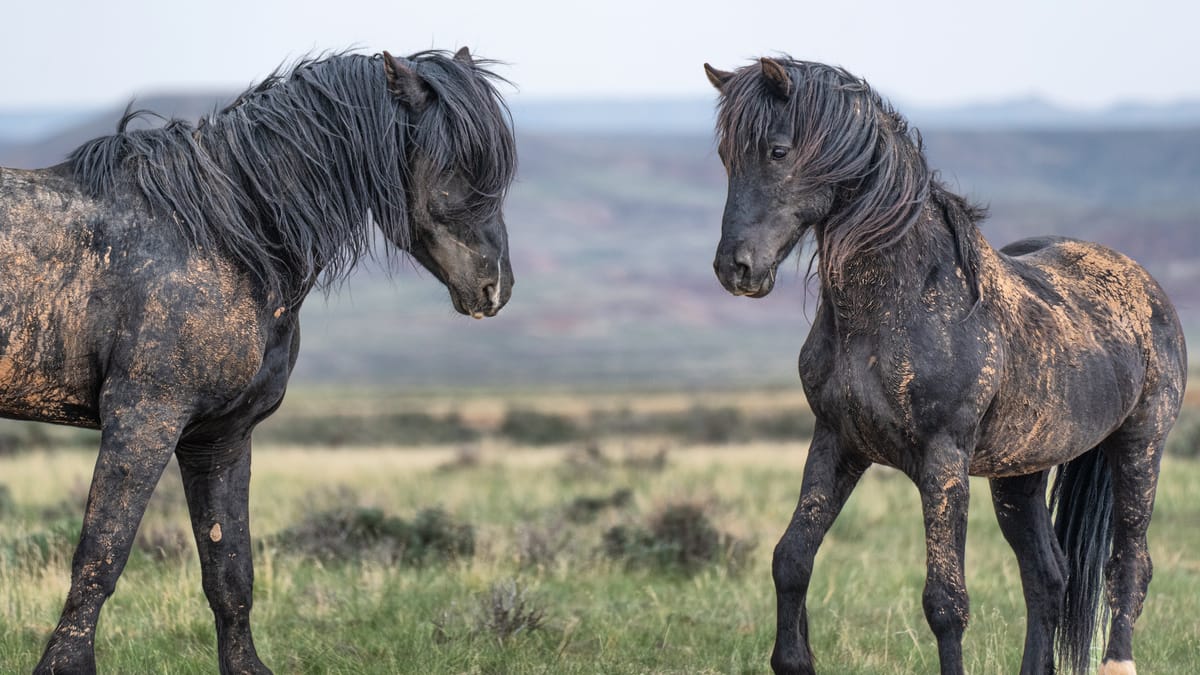
At 77, retired school teacher Susan Goudge spends her days hiking miles through Arizona's rugged terrain, snake guards strapped to her legs, waiting hours for the perfect shot of wild horses that may soon vanish forever.
This Week's Discussion
Guest: Susan Goudge (@swgoudge), Wild Horse Photographer Background: Retired English teacher turned wildlife photographer with 3 million Instagram views documenting wild horses across the American West
Key Topics:
- Non-horse person to wild horse advocate
- Understanding wild horse family dynamics and social structures
- The physical and emotional challenges of wildlife photography
- The Bureau of Land Management's controversial roundup programme
- Why American wild horses face an uncertain future
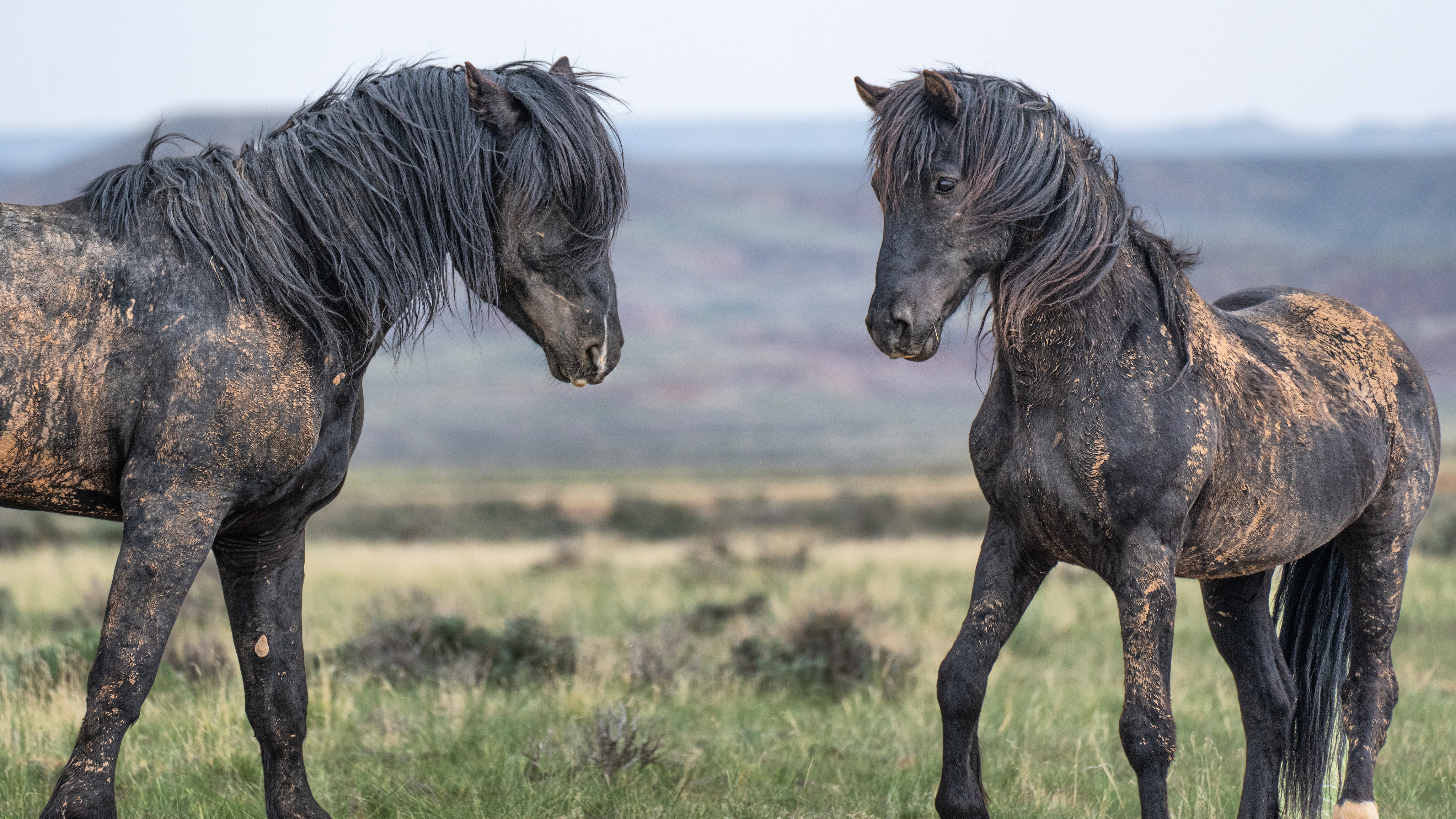
Susan Goudge's decade-long documentation of wild horses reveals animals far more complex and emotionally sophisticated than most people realise. They have intricate family structures, social hierarchies, and individual personalities that rival those of any human community. Yet this world exists under constant threat from government roundups that separate families and remove entire herds from their ancestral lands. *Inquisitive Herd Members stick around for the 'after hours' audio (see below).
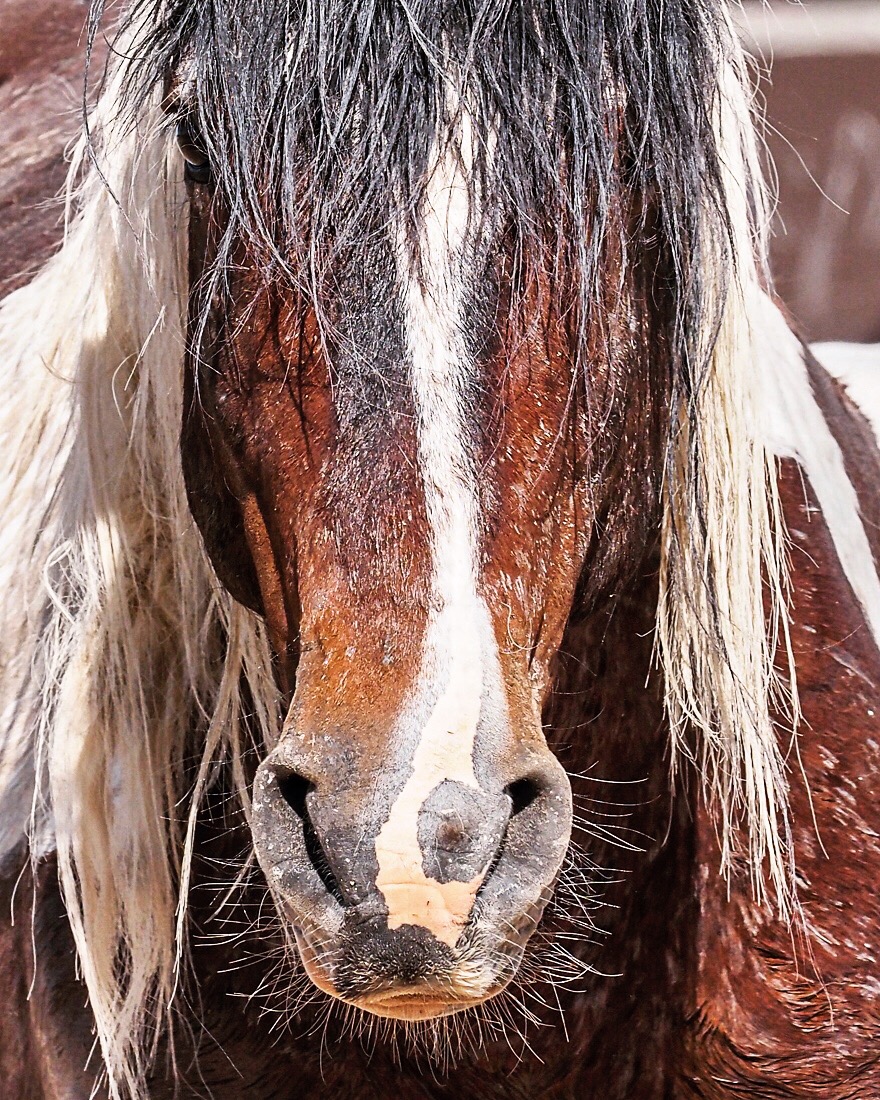
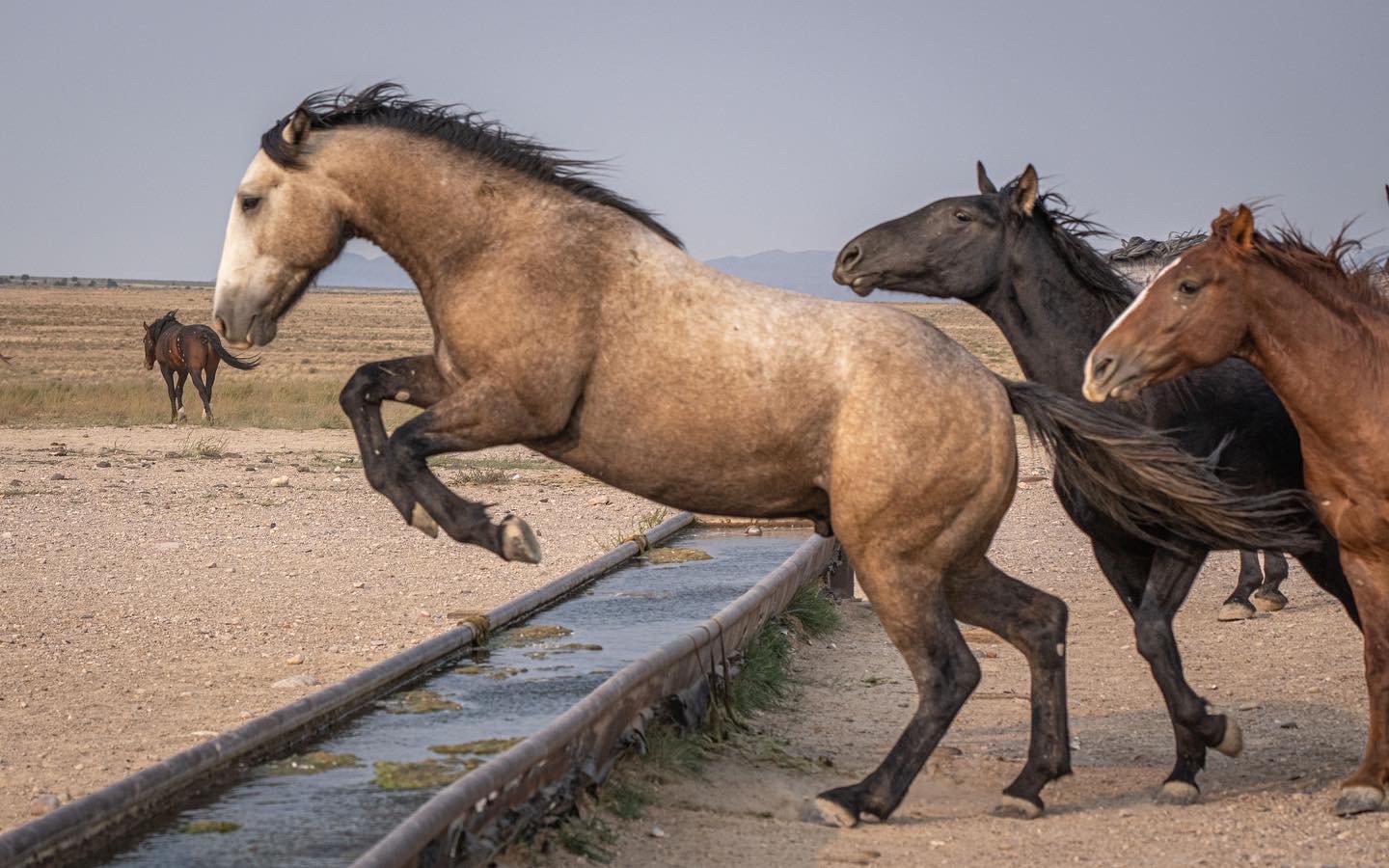
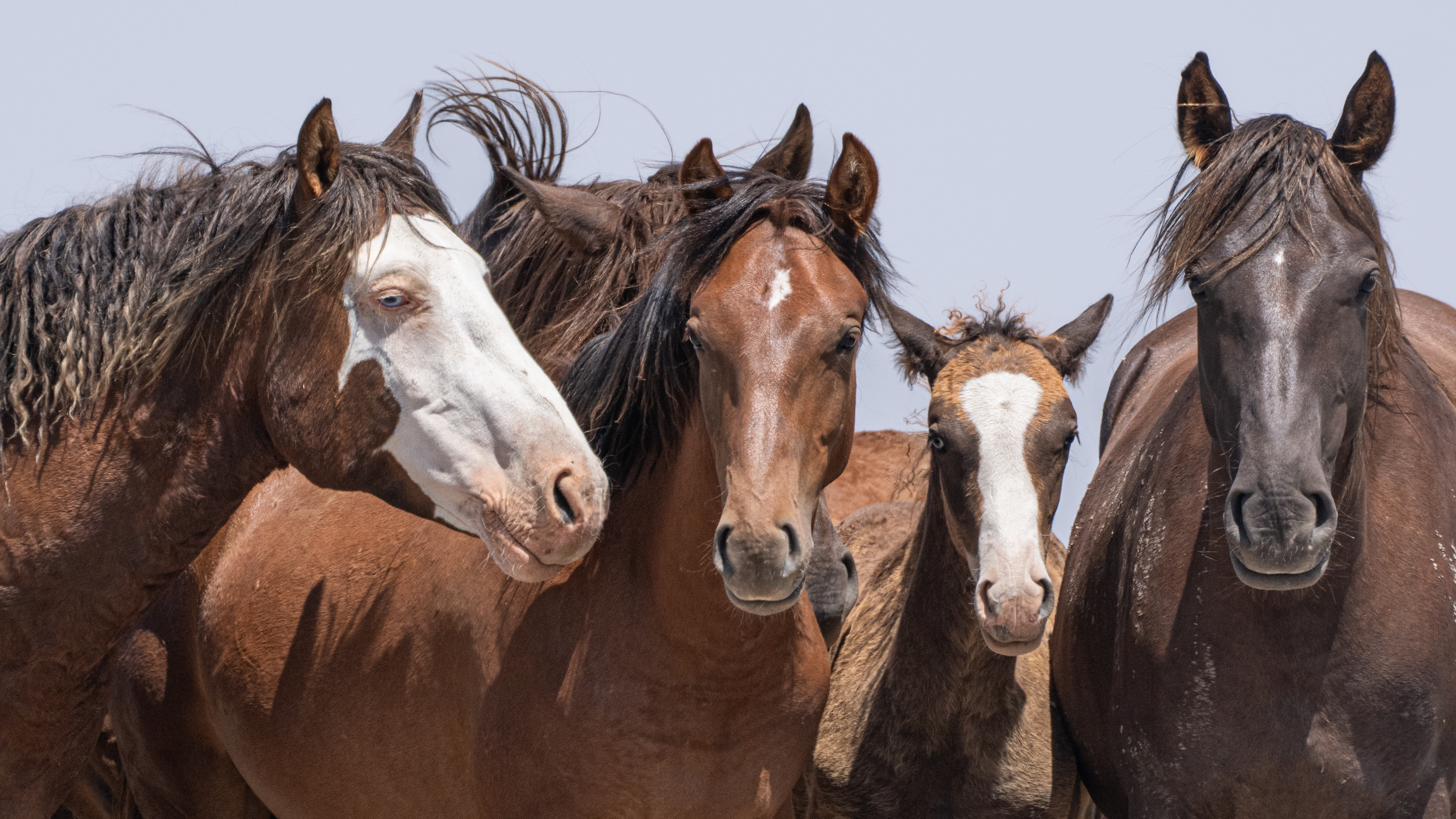
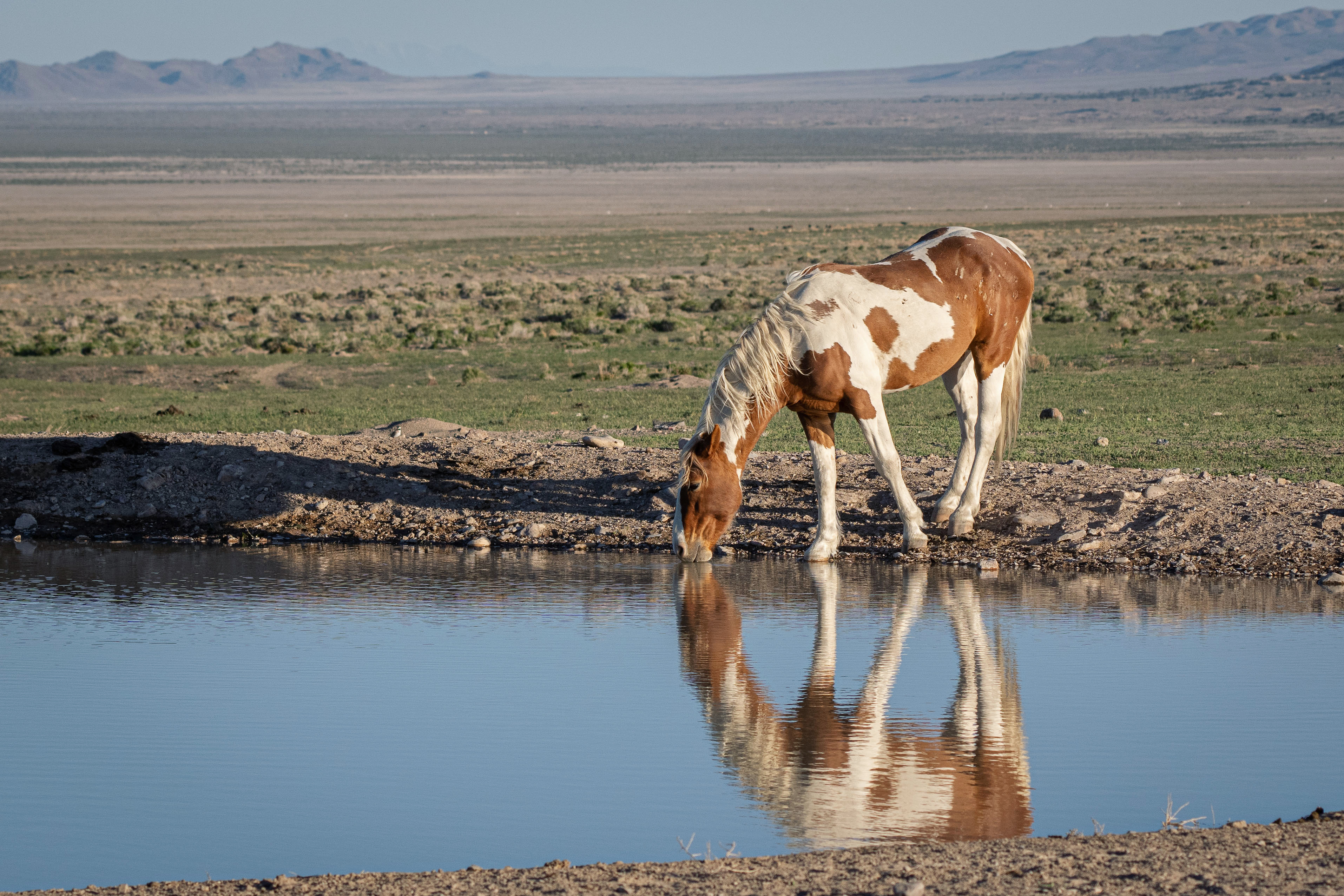
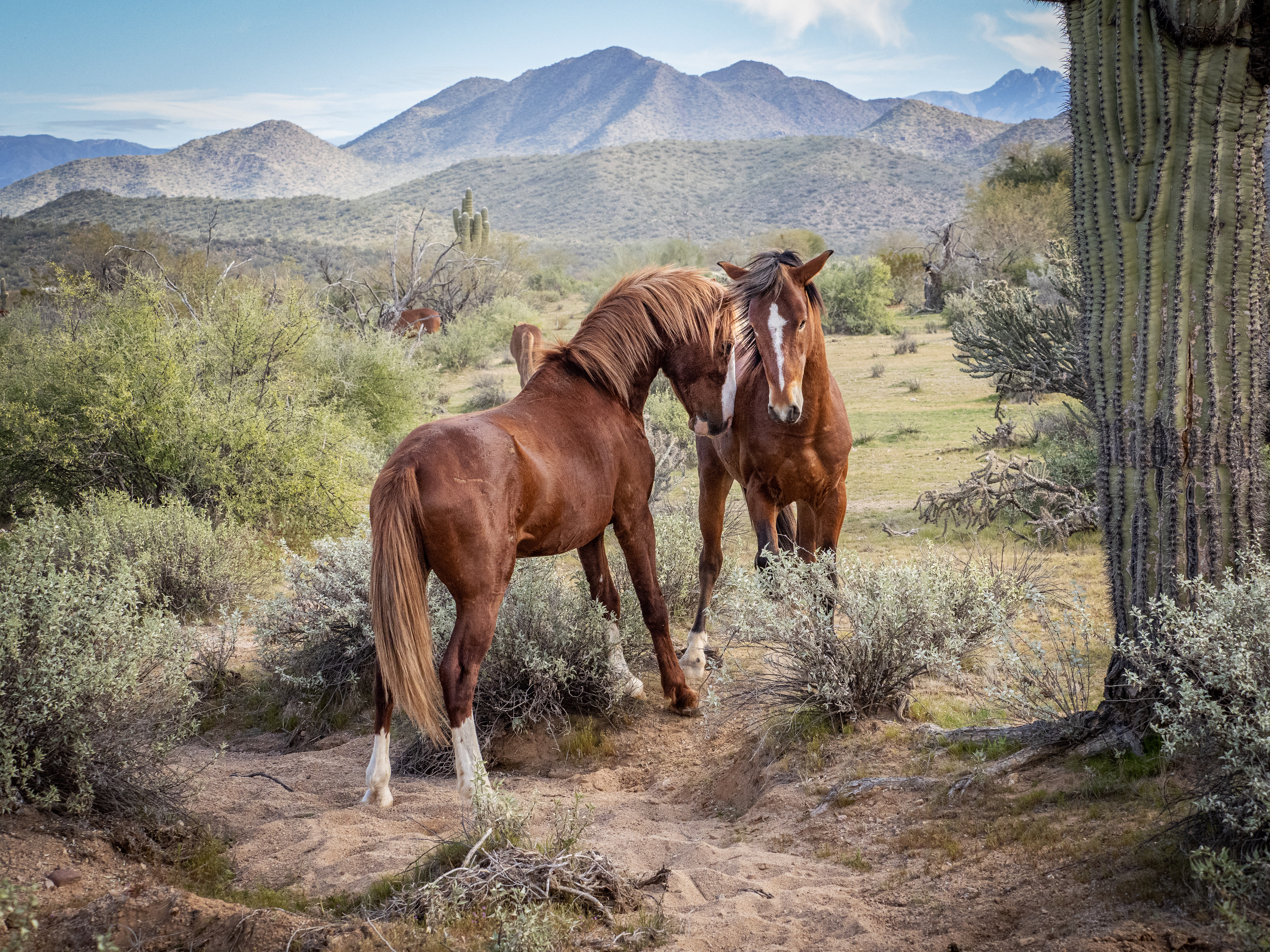
Susan Goudge Wildlife Photographer
What makes Susan's work particularly heartbreaking is knowing that every photograph might be among the last. With as many formerly wild horses now in government holding facilities as remain free, we're witnessing what could be the final chapter of one of America's most iconic symbols of freedom.
The most surprising moment? Susan casually dropping that she's "not a horse person" – doesn't ride, never owned horses, stumbled into this world completely by accident when a realtor mentioned wild horses during a house hunt. Yet here she is, ten years later, understanding horse behaviour better than many lifelong equestrians. Sometimes the best advocates come from the most unexpected places.
Then there's the story that'll stick with you: a tiny orphaned foal, maybe two days old, wandering alone by a creek. Susan and another photographer thought they were watching something tragic unfold. Instead, a stallion from a nearby family band walked over and stood guard over this baby that wasn't even his own. He protected it until another mare finally let the foal nurse. Contrary to the usual "wild stallions are dangerous" narrative.
The troubling statistics: by the end of this year, there will be as many formerly wild horses sitting in government holding facilities as there are still running free. America is spending over $100 million of taxpayer money annually to warehouse America's wild horses because ranchers want cheaper grazing land. When Susan talks about the families she's followed for years being separated during roundups, you realise the extent to which equine communities are being broken up.
The Hidden World of Wild Horse Society
Susan's observations reveal wild horses as sophisticated social beings with complex family structures. Mares often maintain friendships that span 10 years or more, while stallions display different parenting styles. These insights challenge simple narratives about wild horse behaviour and highlight what's lost when families are separated during roundups.
The pecking order at watering holes particularly fascinated Susan, showing how established hierarchies maintain peace among large groups. Such natural management systems have evolved over thousands of years, yet they're dismissed by bureaucrats who see only numbers to be managed rather than communities to be preserved.
Learning to Be Invisible
Wild horse photography demands serious patience and physical endurance. Susan regularly hikes three to five miles, waiting hours for meaningful interactions. Her approach emphasises becoming invisible, allowing natural behaviours to unfold without human interference. Simple rule: if your presence changes their behaviour, you're too close.
The technical challenges are huge. Long lenses, careful cropping, and constant awareness of escape routes (always be near a tree!) are essential. But the emotional challenges prove even tougher. Susan is witnessing nature's harsh moments while maintaining observer status, knowing that today's photographs might document tomorrow's losses.
And then there's the snakes. Susan learned this lesson the hard way when she got bitten by a rattlesnake (fortunately, a "dry bite" with no venom). Now she never goes out without snake guards strapped to her legs.
It's About Land, Not Horses
The conflict over wild horse management reveals deeper tensions about public land use in the American West. Ranchers pay as little as $1.35 per month to graze cattle on land that taxpayers own, yet wild horses are deemed "overpopulated" and removed at enormous public expense. This isn't ecological management. It's a subsidised land transfer to private interests.
Susan's documentation becomes accidental activism, preserving evidence of what's being lost. Her Instagram account, with its 3 million views, represents a powerful counter-narrative to official justifications for roundups.
Here's what got me about this whole situation: we're told there are "too many" wild horses on public land, but Susan describes places so vast that you can spend entire days looking for them without success.
Meanwhile, we're warehousing these animals at taxpayer expense to make room for subsidised cattle grazing. The math doesn't add up, and it certainly doesn't make environmental sense.
"How hard is it to leave the herd behind?" + other wild horse questions Susan answered | Bonus Q&A
In the main episode, wild horse photographer Susan Goudge talked about what it’s like to photograph wild horse families in Arizona and Wyoming. She described moments like a stallion protecting an orphaned foal, as well as the tough side of territorial behaviour and habitat loss. Susan explained that wild horses have complex family groups led by mares, and that watching them in their natural environment is a moving experience.
n this special 15-minute Q&A just for Inquisitive Herd members, Susan answers your questions:
- How to act around wild horses to get great photos, like staying unnoticed, moving slowly, and blending in instead of disturbing them
- Dealing with tough weather while using camera gear, from Arizona’s intense heat to Wyoming’s snow, sleet, and hail all in one day, and having to wear several layers
- What makes a photo good enough for Instagram—it needs to tell a story, not just look good technically.
- The heartbreak of leaving herds behind, especially after roundups at her favourite location (Vakulla Peaks will have "a lot of holes" when she returns)
- Why wild behaviour shows up in domestic horses during extreme weather (the glint in the eye, ears swivelling, that unpredictable wildness that's "intrinsically in there")
HIGHLIGHT: Susan's reframe on why she keeps going back—it's not about adrenaline: "It's more like searching for treasure because every time you go out there, you don't know if you're going to find the horses. Secondly, is it going to be a day where they're just going to be sleeping out in the field all day, where nothing is happening, or are you going to have treasure where you've got those moments that are just very dramatic, exciting, or beautiful? You just never know. I like the mystery."